When overseas buyers source lifting attachments such as clamps and slings, the purchase decision is rarely about price alone. A reliable procurement result depends on whether the product fits the application, whether compliance documents are complete, whether logistics are well controlled, and whether the supplier can respond after delivery. For B2B buyers, overlooking any of these points can lead to avoidable delays, extra cost, or operational risk.
As a professional export-oriented company in the lifting machinery sector, Changsha Jieding Lifting Machinery Co., Ltd. works with global customers who need practical sourcing support for lifting attachments. Based on our experience in international trade and product supply, this page highlights common overseas procurement mistakes and helps buyers build a more structured supplier evaluation process.
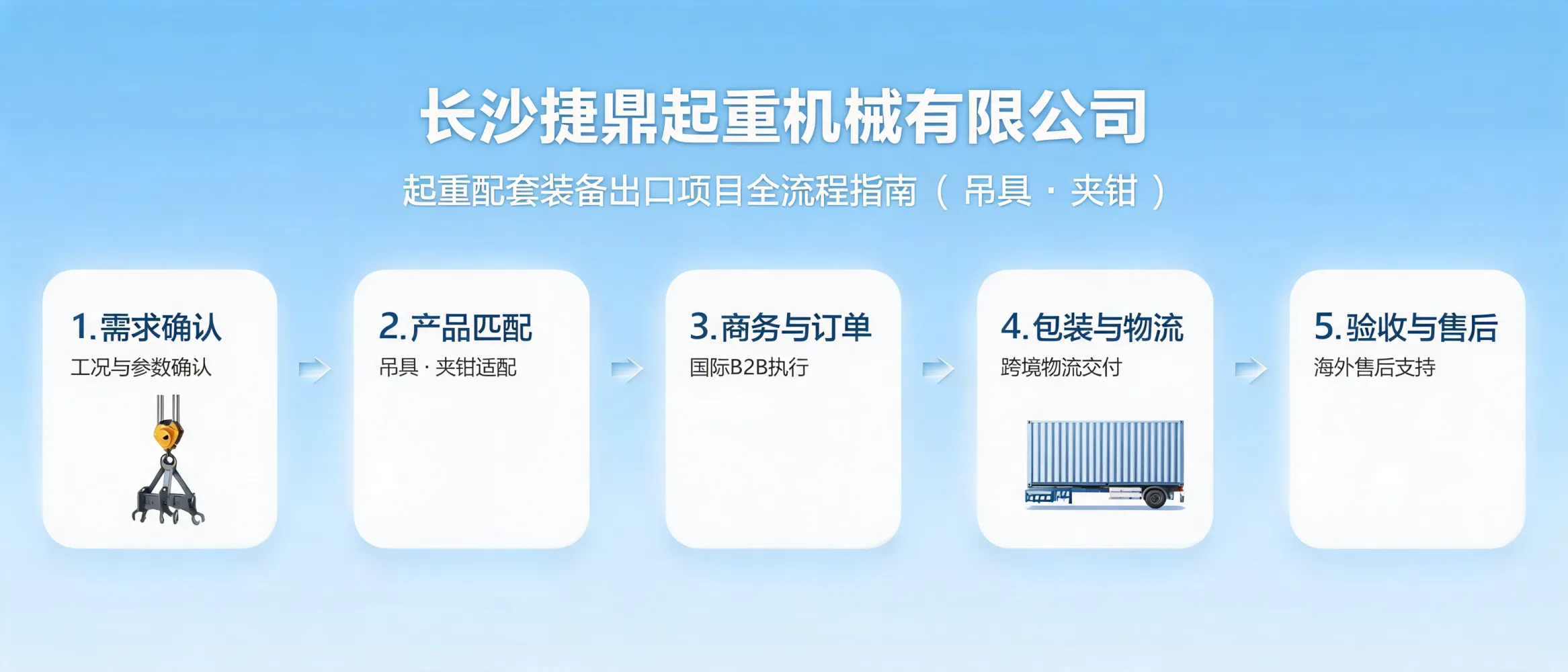
A lower quotation may look attractive at first, but it does not automatically mean lower total procurement cost. Buyers should consider product suitability, reliability, packaging, shipping arrangement, and the potential cost of delays or rework.
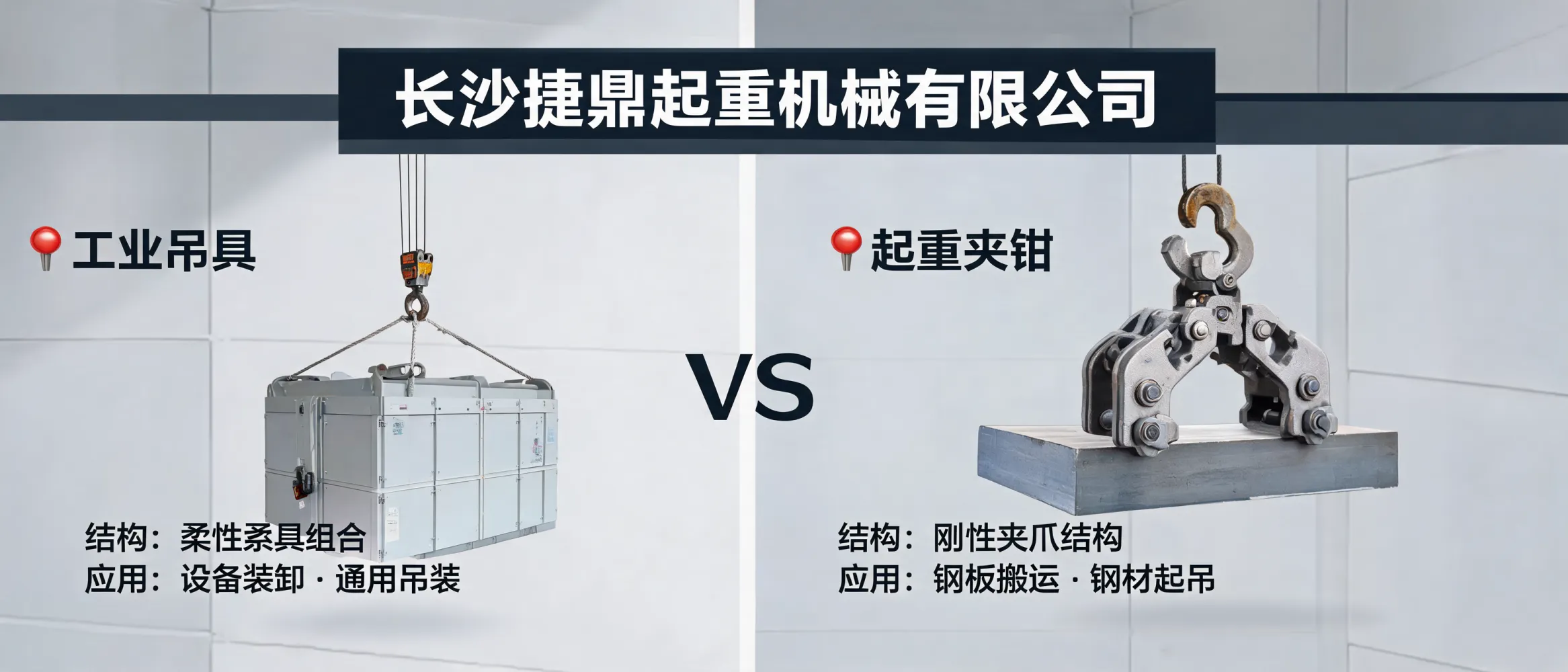
Different lifting tasks require different product configurations. Choosing clamps or slings without matching the actual load condition, operating environment, and handling method may reduce efficiency and complicate use on site.
International buyers often need documents related to product specification, conformity, and export procedures. If compliance materials are incomplete, customs clearance, internal approval, or downstream project acceptance may become more difficult.
Lifting attachments are industrial products, so packaging protection, shipment planning, and delivery timing all matter. Buyers should confirm how the supplier handles export packaging and transportation coordination before placing the order.
Even when the product is suitable, buyers still need a supplier who can respond clearly to questions about use, delivery, and documentation. A structured after-sales process is especially important for cross-border transactions with multiple time zones.
To reduce sourcing risk, overseas buyers can evaluate a lifting attachments supplier across five core dimensions. This approach is suitable for B2B purchasing teams, distributors, project contractors, and industrial end users.
Changsha Jieding Lifting Machinery Co., Ltd. focuses on lifting attachments for overseas B2B procurement, with core products including clamps and slings. Our role is to support buyers with a professional export process rather than to overstate performance or promise unsuitable solutions.
For international buyers, a good lifting attachments supplier is not only a product source, but also a trade partner who can help reduce sourcing uncertainty across specification review, documentation, delivery, and communication.
This is especially important in markets across Southeast Asia, the Middle East, Europe, and Africa, where procurement teams often need a supplier that can align technical requirements with export execution. By evaluating suppliers with a clear framework, buyers can make decisions that are more suitable for long-term cooperation.
If you are sourcing clamps, slings, or related lifting attachments for overseas projects, start by checking product fit, compliance documents, logistics arrangement, and after-sales response. A structured evaluation process helps reduce common purchasing mistakes and supports smoother B2B cooperation. Changsha Jieding remains committed to practical, compliant, and customer-focused export service for global buyers.