

Overseas Project Procurement Guide
For overseas engineering projects, selecting the right clamps and lifting equipment involves more than checking rated capacity. Contractors, equipment buyers, and lifting service providers should evaluate the complete operating environment, including load characteristics, crane compatibility, safety functions, certification requirements, delivery conditions, and technical support.
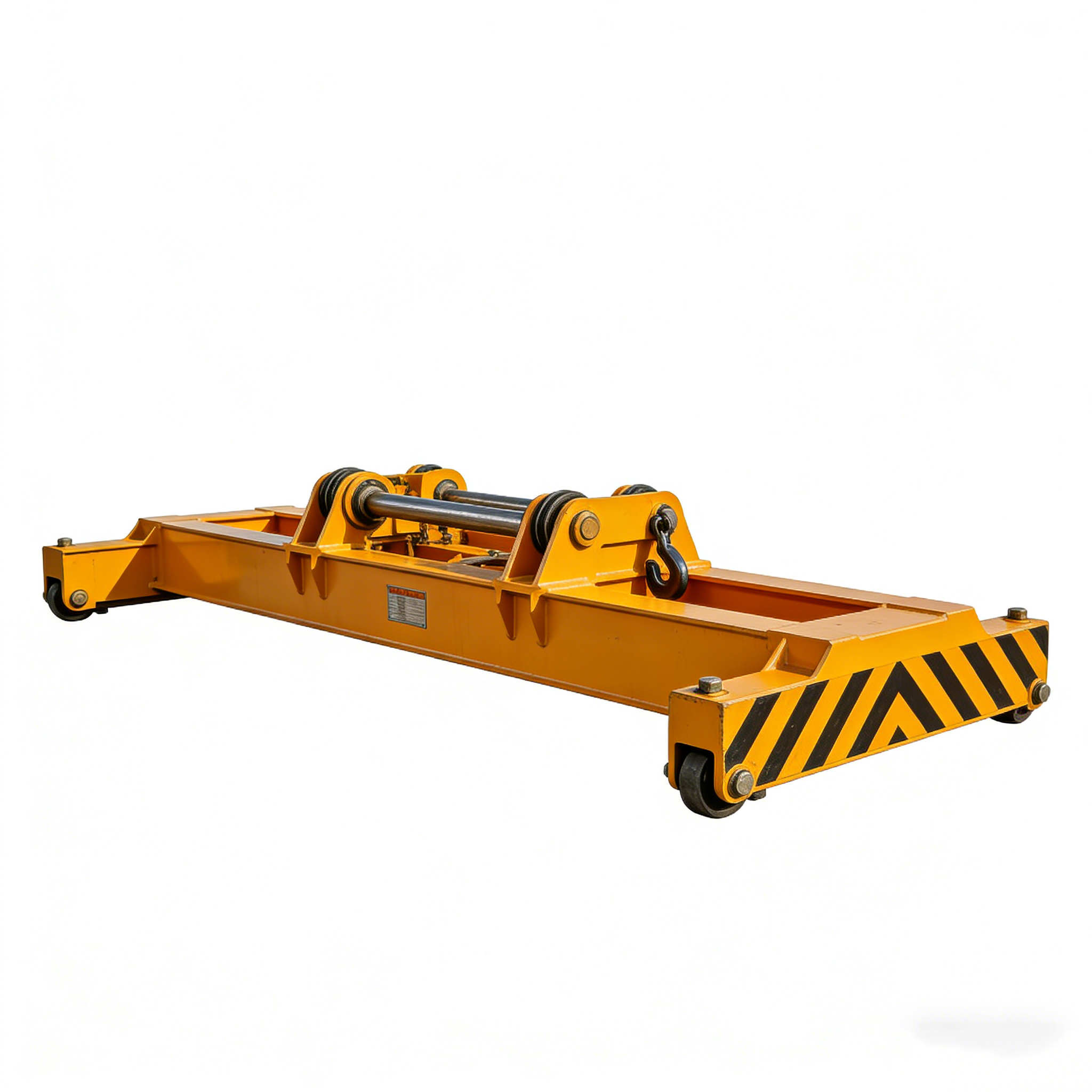
A suitable lifting solution should match the actual load and working conditions rather than being selected only by product name or general application. Changsha Jieding Lifting Machinery recommends reviewing the following factors before confirming a procurement plan.
Confirm the required lifting capacity from the actual load, lifting method, operating frequency, and project safety requirements. The selected equipment should be appropriate for the intended working condition and compatible with the lifting system.
Consider the load type, dimensions, lifting points, center of gravity, surface condition, and whether the load requires clamping, locking, spreading, or other handling functions.
Review the worksite layout, weather and environmental conditions, lifting frequency, available clearance, container sizes, and the expected interaction between operators and equipment.
Check the connection method, dimensions, operating controls, lifting interface, and other requirements needed for reliable integration with the project crane or handling system.
For overseas projects, safety is not limited to the mechanical structure. Buyers should also assess locking reliability, position confirmation, operator procedures, inspection requirements, documentation, and the regulations applicable in the destination market.
When the project involves container handling, a container spreader can provide a more suitable lifting interface than general-purpose lifting accessories. Changsha Jieding’s container spreader is designed for port operations, logistics parks, and construction sites where repeated container lifting requires accurate engagement and efficient size changeover.
| Selection requirement | Relevant product feature | Project value |
|---|---|---|
| Accurate container engagement | Automatic twist-locking system with position sensing | Supports controlled engagement and helps reduce risks associated with incorrect operation. |
| Handling different container lengths | Telescopic structure compatible with 20 ft and 40 ft containers | Allows faster changeover between common container sizes. |
| Repeated heavy-duty operation | FEA-optimized structural design | Balances structural strength and reduced equipment weight for frequent lifting applications. |
| International procurement | ISO 9001-certified production process and export support | Provides a structured basis for quality communication, documentation, and project coordination. |
A lifting equipment supplier should be evaluated as a project partner, not only as a product source. The following review sequence can help buyers reduce communication gaps and improve procurement decisions.
Changsha Jieding Lifting Machinery is a professional foreign trade company focused on lifting accessories and supporting equipment. The company combines access to Changsha’s engineering machinery industry cluster with experience serving customers in Southeast Asia, the Middle East, Europe, and Africa.
Support for matching lifting equipment to load and application requirements.
Coordination covering export communication, documentation, and logistics delivery.
Guidance that can include selection consultation, installation training, and after-sales response.
To support an efficient equipment evaluation, overseas contractors and buyers should prepare as much of the following information as possible:
With these details, Changsha Jieding Lifting Machinery can help buyers assess the suitability of clamps, container spreaders, and other lifting equipment for the intended overseas engineering application.


