Common Mistakes When Procuring Lifting Clamps and Rigging Equipment Overseas
19 08,2026
Changsha Jieding Lifting Machinery Co., Ltd.
Pitfall Avoidance Guide
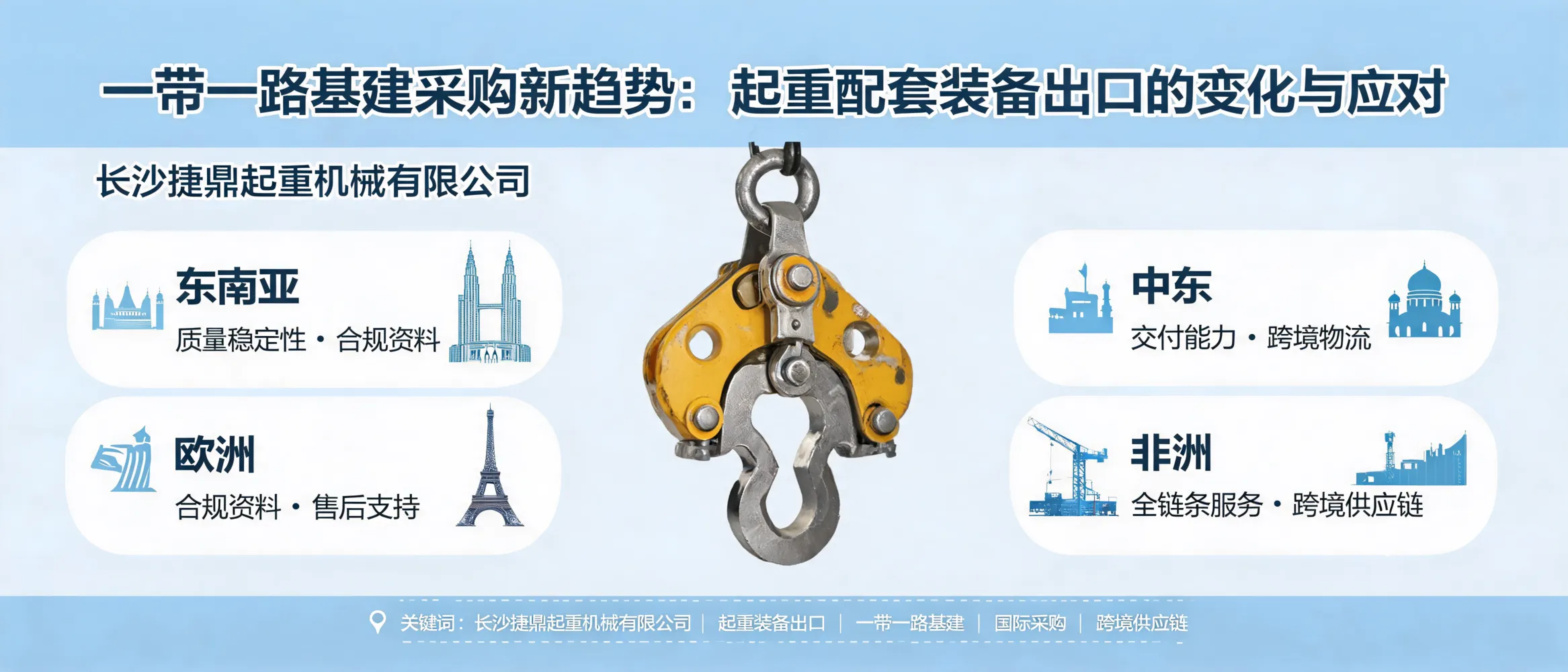
Changsha Jieding Lifting Machinery Co., Ltd. explains common risks in overseas lifting clamp and rigging procurement, including parameter mismatches, missing certifications, supplier evaluation, logistics, delivery and after-sales support.
Common Mistakes When Procuring Lifting Clamps and Rigging Equipment Overseas
This guide, prepared with practical input from Changsha Jieding Lifting Machinery Co., Ltd., summarizes typical procurement risks and provides clear checkpoints for B2B buyers sourcing lifting clamps, rigging and related accessories internationally. Follow these steps to reduce technical, compliance and logistics uncertainty during cross-border procurement.
1. Parameter & suitability mismatches
A common error is ordering products based on incomplete or mismatched parameters. Technical suitability must be validated against the actual operating conditions on site.
- Confirm rated load (WLL) and safety factor against site loads and dynamic effects.
- Verify clamp/jaw opening range, handling angles and compatible lifting points.
- Check material and surface treatment for the environment (corrosive, high/low temperature).
- Request dimensional drawings for fit-checking with existing equipment.
2. Missing or inadequate certification & documentation
Incomplete certification is a frequent source of delayed customs clearance or rejected acceptance at project sites. Ensure documentation aligns with import country and project requirements.
Essential documents to request:
| Document |
Purpose |
| Manufacturer test certificates / WLL test reports |
Verify rated load and test traceability |
| Material certificates (e.g., EN / ASTM when required) |
Confirm material grade meets project/spec requirements |
| Inspection & conformity documents |
Support customs and on-site acceptance |
3. Supplier evaluation gaps
Relying exclusively on price or a generic product spec often misses supplier capability differences. A quick supplier audit can prevent quality and delivery risks.
- Ask for manufacturing photos, QC procedures, and sample inspection reports.
- Confirm export experience and previous project types in similar markets.
- Validate third‑party inspection availability before shipment (if required).
- Check after‑sales and spare parts policies (lead times, MOQ for spare parts).
4. Packaging, shipping and customs risks
Improper packaging or unclear delivery terms can lead to cargo damage and unexpected costs. Clarify logistics terms early in procurement.
- Specify packaging required for long sea transport and rough handling (wooden crates, corrosion inhibitors, blocking).
- Agree Incoterms (EXW, FOB, CIF, DAP, etc.) and who handles customs clearance.
- Plan lead times with contingency for inspections, packing and port congestion.
- Ensure HS codes are correct to avoid tariff or classification disputes.
5. Delivery, acceptance and on-site support
Delivery completion is not the end of procurement risk—on-site acceptance and technical support matter for timely commissioning.
- Define acceptance criteria and inspection checkpoints before shipment.
- Arrange for on-site or remote technical guidance for first installation and trial lifts.
- Confirm availability of replacement parts and expected lead times.
Practical procurement checklist
- Define operating envelope: load cases, frequency, environment, lifting angle and attachment details.
- Technical paperwork: request drawings, material certificates, WLL test reports and inspection plan.
- Supplier capability check: factory photos, QC flow, export references and sample inspections.
- Logistics plan: packaging spec, Incoterm, transit time, insurance and customs documentation.
- Acceptance & support: pre-shipment inspection, post-delivery acceptance checklist, spare parts list and technical contact.
How Changsha Jieding Lifting Machinery Co., Ltd. can assist
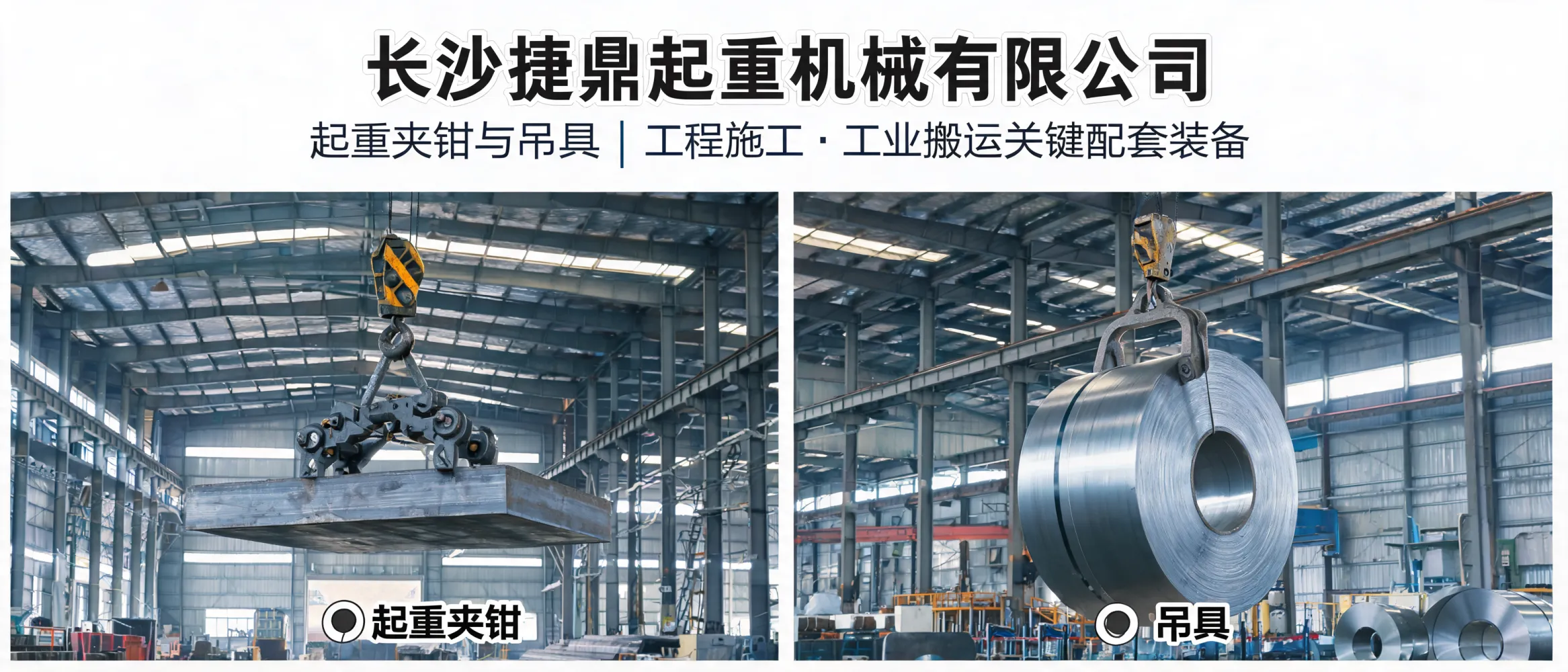
As a B2B exporter focused on lifting clamps and rigging, Changsha Jieding provides a structured review process that covers:
- Technical parameter verification against supplied site conditions.
- Checklist-based documentation review to support compliance and customs clearance.
- Logistics coordination suggestions and packaging standards for long-haul export.
- Advice on acceptance criteria and spare parts provisioning for smoother commissioning.
For an evaluation tailored to your project, request a document checklist and parameter review from Changsha Jieding's export team before issuing a purchase order.
Request technical checklist & export review