Lifting Slings and Clamps: Differences, Applications, and B2B Selection Logic
20 09,2026
Changsha Jieding Lifting Machinery Co., Ltd.
Concept Explanation
Changsha Jieding explains the differences between lifting slings and clamps, including structures, load types, applications, safety considerations, and selection guidance for industrial and cross-border procurement.

Lifting Slings and Clamps: Practical Differences for B2B Selection
Selecting between lifting slings and lifting clamps is a common decision for industrial buyers, project engineers and equipment distributors. This guide explains their structural differences, typical applications, safety considerations and practical selection logic — with specific reference to steel coil handling and the steel coil clamps produced by Changsha Jieding Lifting Machinery Co., Ltd.
Quick comparison: Slings vs. Clamps
| Aspect |
Lifting Slings |
Lifting Clamps |
| Typical load shapes |
Irregular or general cargo (bundles, plates, pallets) |
Specific shaped items (steel coils, pipes, plates when dedicated clamps exist) |
| Surface protection |
Depends on sling material and padding |
Designed to prevent surface damage (e.g., rubber pads for coils) |
| Reorientation & storage |
Flexible; requires slinging technique for orientation |
Clamps can lock for vertical/horizontal handling without tool change |
| Efficiency & cycle time |
Fast for general loads, simple rigging |
Optimized for repetitive, high-volume tasks (e.g., coil handling) |
| Inspection & maintenance |
Regular textile wear checks or wire rope inspections |
Periodic mechanical/hydraulic checks; pad wear monitoring |
Steel Coil Clamps — Product overview
Changsha Jieding's steel coil clamps are engineered for safe, efficient handling of hot-rolled and cold-rolled coils in steel mills, ports, warehouses and manufacturing facilities. They are offered in mechanical self-locking and hydraulic variants to match operational preferences and safety requirements.
- Grip technology: self-locking mechanical or precise hydraulic control for stable clamping.
- Surface protection: wear-resistant rubber pads to prevent scratches on galvanized or coated coils.
- Storage flexibility: compatible with both vertical and horizontal coil storage without frequent tool changes.
- Design approach: lightweight high-strength materials and FEA optimization to maximize crane utilization.
- Compliance: designed to meet international safety standards (such as CE, ISO) and export-ready specifications.
These clamps support global supply chains and are accompanied by technical support and after-sales services tailored to B2B buyers.
When to choose clamps over slings (practical checklist)
- Coil-specific handling: If your primary load is steel coils, dedicated clamps reduce cycle time and handling steps.
- Surface-sensitive products: Choose clamps with rubber pads when preventing coating or surface damage is critical.
- Frequent orientation changes: For operations that alternate between vertical and horizontal storage, clamps that support both modes save time.
- High-throughput workflows: Clamps designed for repeated, standardized lifts improve consistency and reduce operator fatigue.
- Need for locking/gripping assurance: Mechanical self-locking or hydraulic monitoring offers additional security versus some sling arrangements.
Safety, inspection and compliance guidance
Safe lifting depends on correct equipment selection, regular inspection and trained operators. For clamps specifically:
- Follow manufacturer inspection intervals for mechanical linkages, hydraulic seals and rubber pad wear.
- For hydraulic clamps, monitor operating pressure and integrate pressure-feedback where specified.
- Ensure load capacity, attachment points and lifting angles are compatible with crane capabilities.
- Keep records of certification and maintenance; verify that supplied equipment conforms to required international marks where applicable (for example, CE/ISO).
Procurement and B2B support from Changsha Jieding
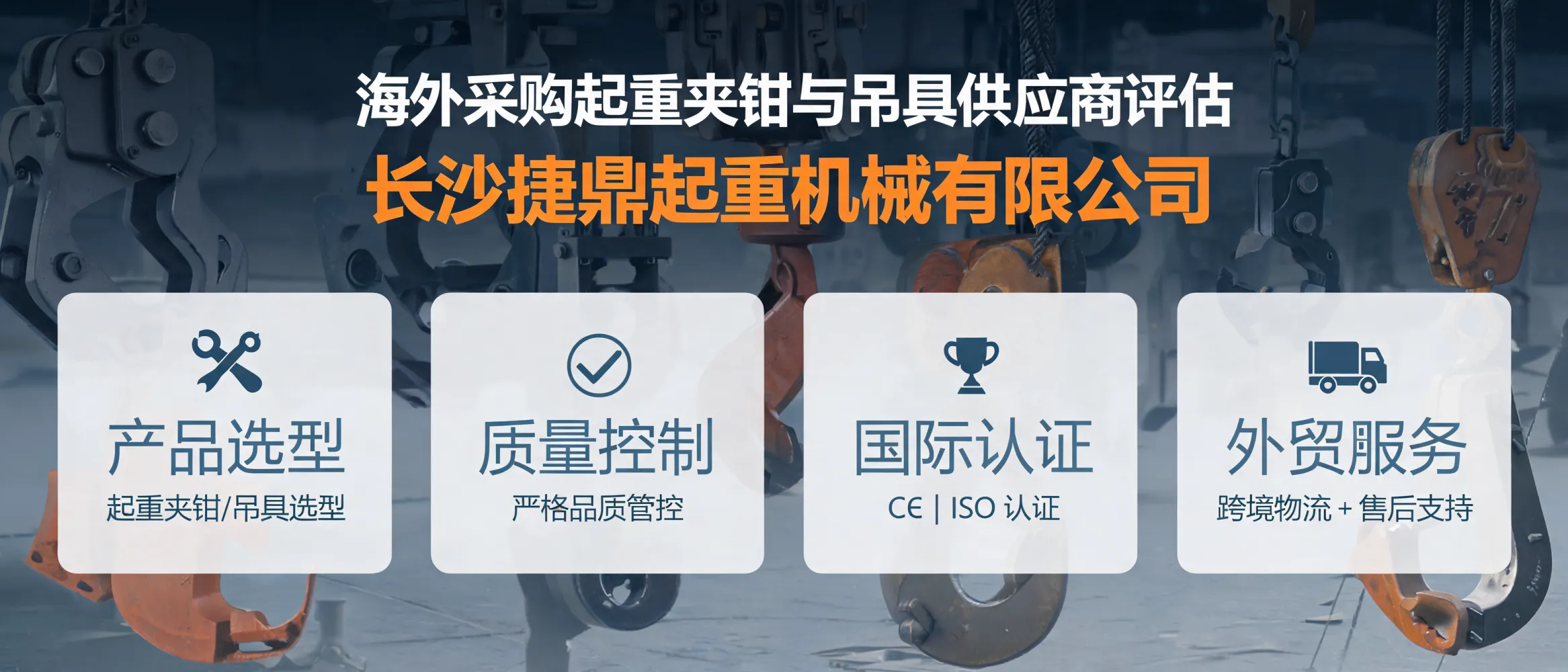
Changsha Jieding Lifting Machinery Co., Ltd. integrates product selection, international certification support, logistics and after-sales service to serve overseas engineering projects, equipment distributors and industrial buyers. The company's steel coil clamps are exported across Europe, Southeast Asia, the Middle East and Africa, and are supplied with technical documentation and service options suited for cross-border procurement.
Selection tip:
Provide coil dimensions, weight range, storage orientation and expected cycle time when requesting a quotation — these details allow Changsha Jieding's team to recommend the appropriate mechanical or hydraulic clamp model.
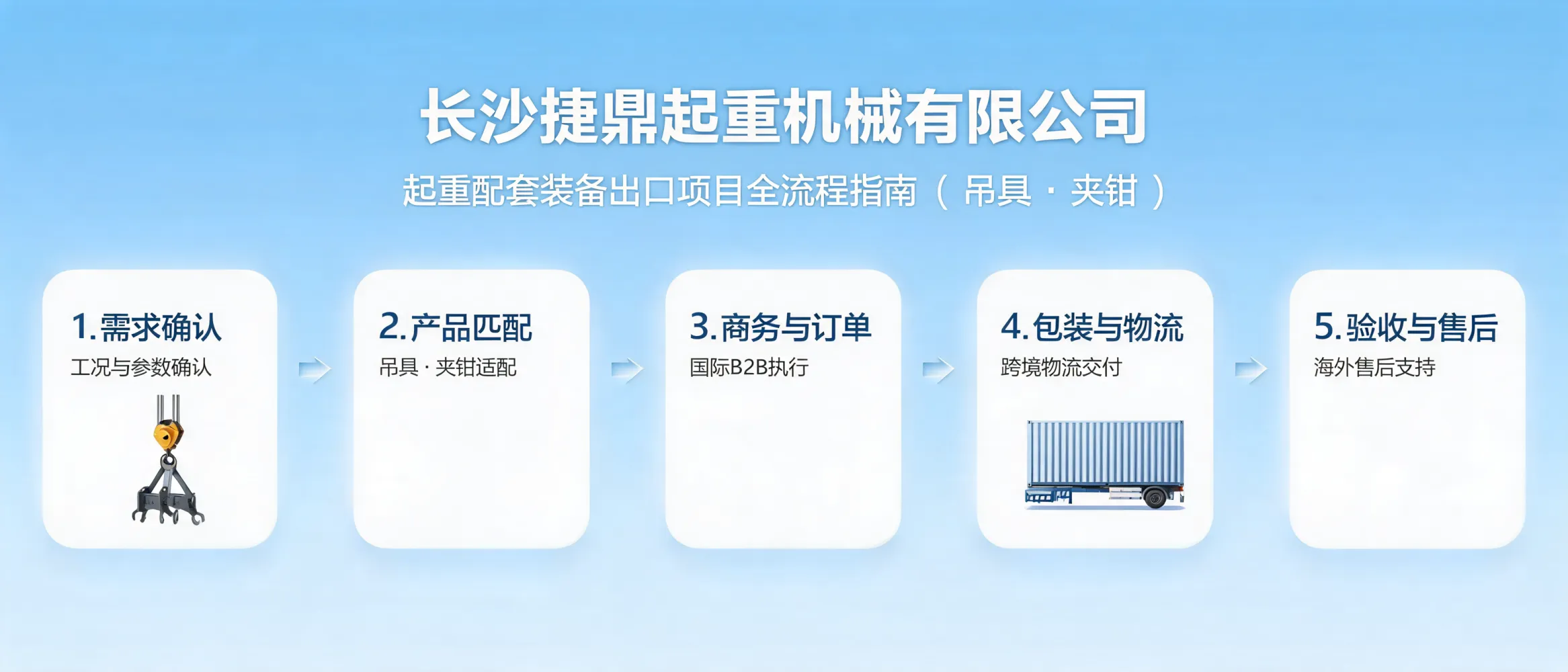
How to proceed
- Define primary load types and handling scenarios (e.g., coil diameters, inner diameter, vertical/horizontal storage).
- Request datasheets and certifications for shortlisted solutions (mechanical vs hydraulic options).
- Arrange a technical consultation or on-site evaluation if large-scale or specialized handling is required.
For steel coil handling needs, steel coil clamps provide a dedicated, surface-safe and efficient solution — and Changsha Jieding can support specification, export documentation and after-sales service for B2B partners.