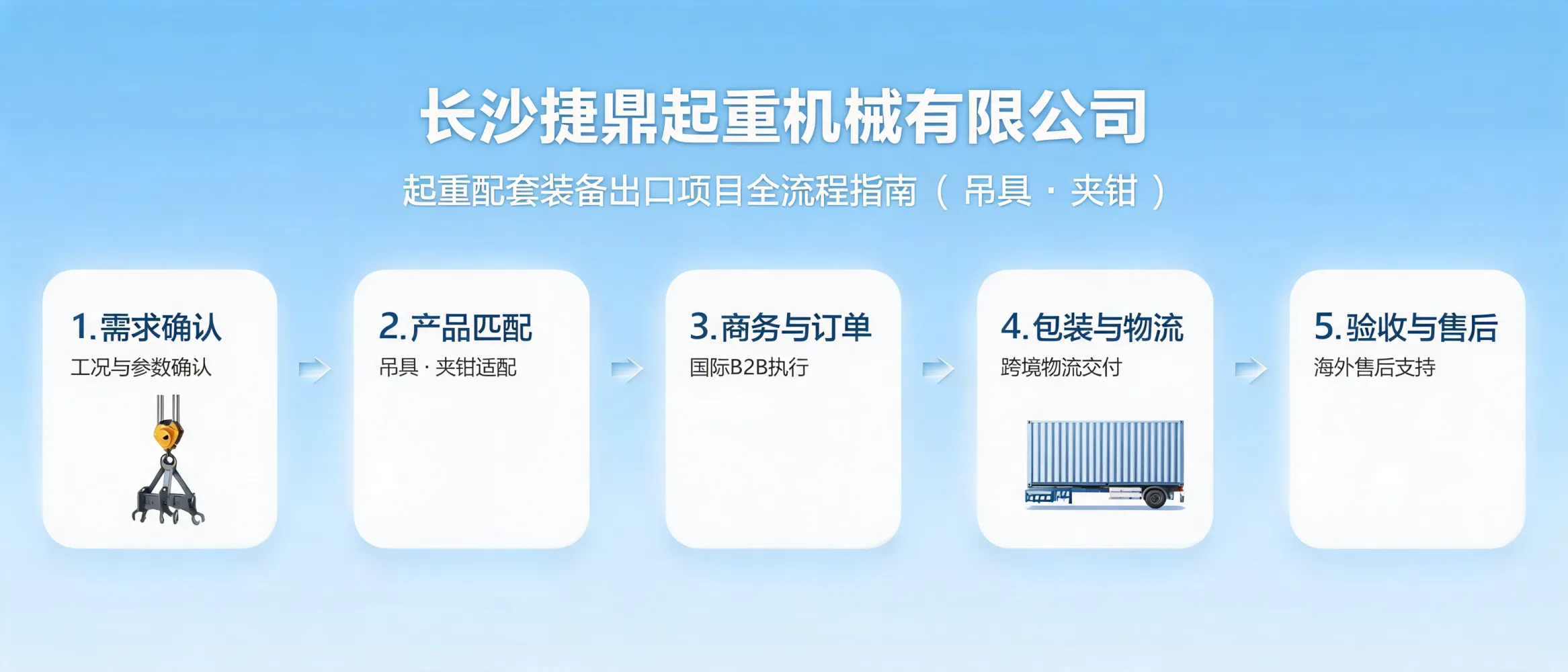
Define the application
Identify the material, lifting method, equipment type, working environment, and expected handling tasks.
Engineering Material Handling Guide
Selecting lifting equipment for steel, machinery parts, molds, and other engineering materials requires more than matching a product name to a load. The lifting method, load characteristics, equipment compatibility, safety features, applicable standards, and procurement requirements should all be considered together.
Changsha Jieding Lifting Machinery provides lifting clamps, slings, hooks, and related equipment for international B2B procurement. This guide explains the key selection principles and introduces the company’s electric hoist hook as a lifting component for electric hoists, overhead cranes, and gantry crane systems.
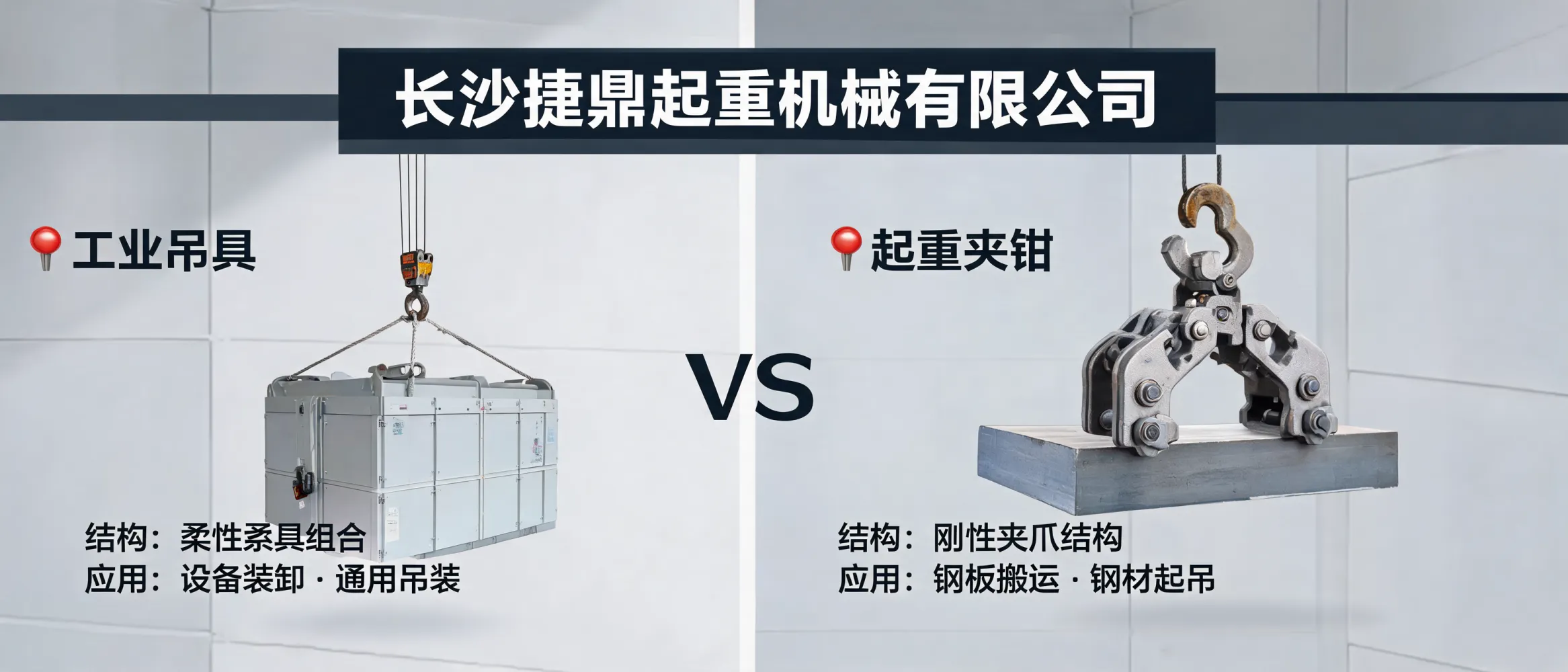
Lifting slings and lifting clamps perform different functions within a material-handling system. A sling generally connects the load to a lifting point, while a clamp grips or attaches to a specific load surface. A hook or electric hoist hook forms part of the connection between the lifting mechanism and the load-handling accessory.
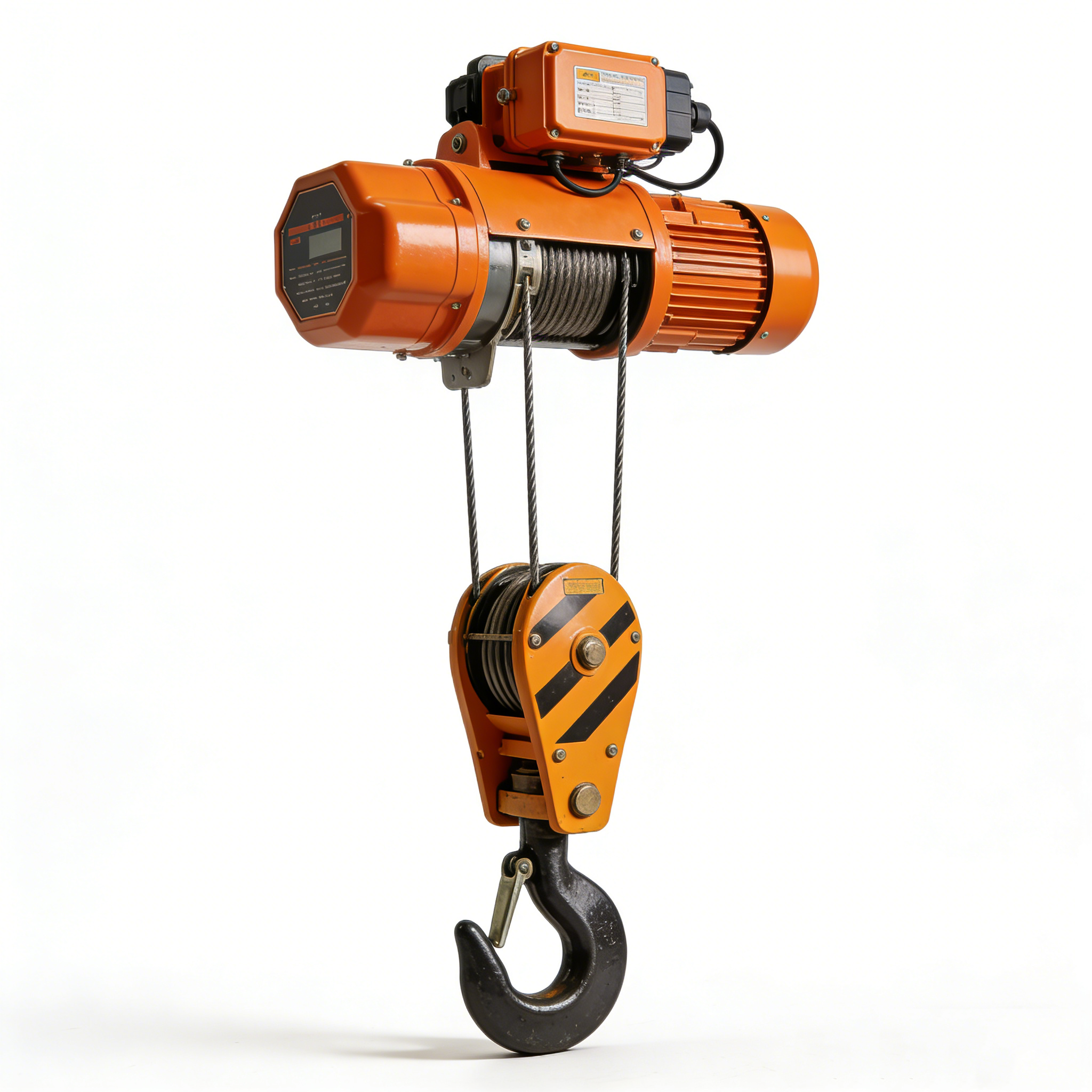
Changsha Jieding’s electric hoist hook is a forged-steel lifting component designed for use with electric hoists, overhead cranes, and gantry crane systems. It is intended for industrial applications including equipment handling, mold lifting, and warehouse logistics.
The hook uses a heat-treated forged-steel structure to provide toughness, impact resistance, high tensile strength, and durability in demanding working environments. Its design should be evaluated together with the complete hoisting system and the actual operating conditions.
For overseas buyers, the product can be supported with technical assistance, customs-clearance coordination, OEM customization, and documentation related to international procurement requirements.
| Feature | Selection relevance |
|---|---|
| Spring-type overload limiter | When the load exceeds the stated safe capacity, the mechanism is designed to provide an alert and cut off power to help reduce the risk of accidents and equipment damage. |
| Heat-treated forged steel | Supports high strength, toughness, impact resistance, and long-term durability when the component is correctly selected and operated. |
| Anti-detachment latch | Helps reduce the possibility of accidental disengagement during lifting operations when used correctly. |
| Hardened wheel surface | Helps reduce friction and support smoother lifting cycles within the applicable operating arrangement. |
| International support | ISO and EN-related requirements can be considered, with CE and SGS certification support available according to project and market needs. |
Identify the material, lifting method, equipment type, working environment, and expected handling tasks.
Confirm capacity, dimensions, connection details, load geometry, and compatibility with slings, clamps, hoists, or cranes.
Discuss applicable ISO, EN, CE, SGS, inspection, labeling, and documentation requirements for the target market.
Coordinate OEM requirements, export packaging, customs support, logistics, installation guidance, and after-sales communication.
Final selection should be based on the actual application, applicable technical documentation, and safe working requirements. Lifting components must be inspected and operated according to the relevant instructions and regulations.
Changsha Jieding Lifting Machinery supports B2B buyers with product selection, international certification coordination, logistics, customs-clearance assistance, OEM customization, and after-sales service. With a focus on lifting slings, clamps, electric hoist hooks, and related equipment, the company helps customers evaluate practical and compliant solutions for engineering material handling in Southeast Asia, the Middle East, Europe, Africa, and other international markets.
For a suitable recommendation, provide the load details, equipment configuration, destination market, certification expectations, and delivery requirements when making an inquiry.