A clear distinction between lifting gear and lifting clamps helps B2B buyers select safer, more compatible equipment for each handling task.
Lifting gear is a broad category of equipment used to connect, support, position, or move a load. Lifting clamps are a more specific type of lifting attachment that grips a load directly, often by engaging with its edge or surface. The right choice depends on the lifting object, load requirements, operating environment, lifting frequency, and compatibility with the available crane or hoist.
| Selection aspect | Lifting gear | Lifting clamps |
|---|---|---|
| Definition | A general term covering load-handling and load-connection equipment. | A purpose-specific attachment that grips or engages with a load. |
| Typical use | Connecting a crane or hoist to a load and supporting lifting operations. | Handling suitable materials or components through direct gripping. |
| Load interface | May use slings, hooks, shackles, spreaders, or other connection methods. | Depends on the clamp design, load geometry, surface condition, and engagement method. |
| Key buying concern | Overall system compatibility, rated capacity, configuration, and operating conditions. | Correct gripping range, surface suitability, safe engagement, and application-specific capacity. |
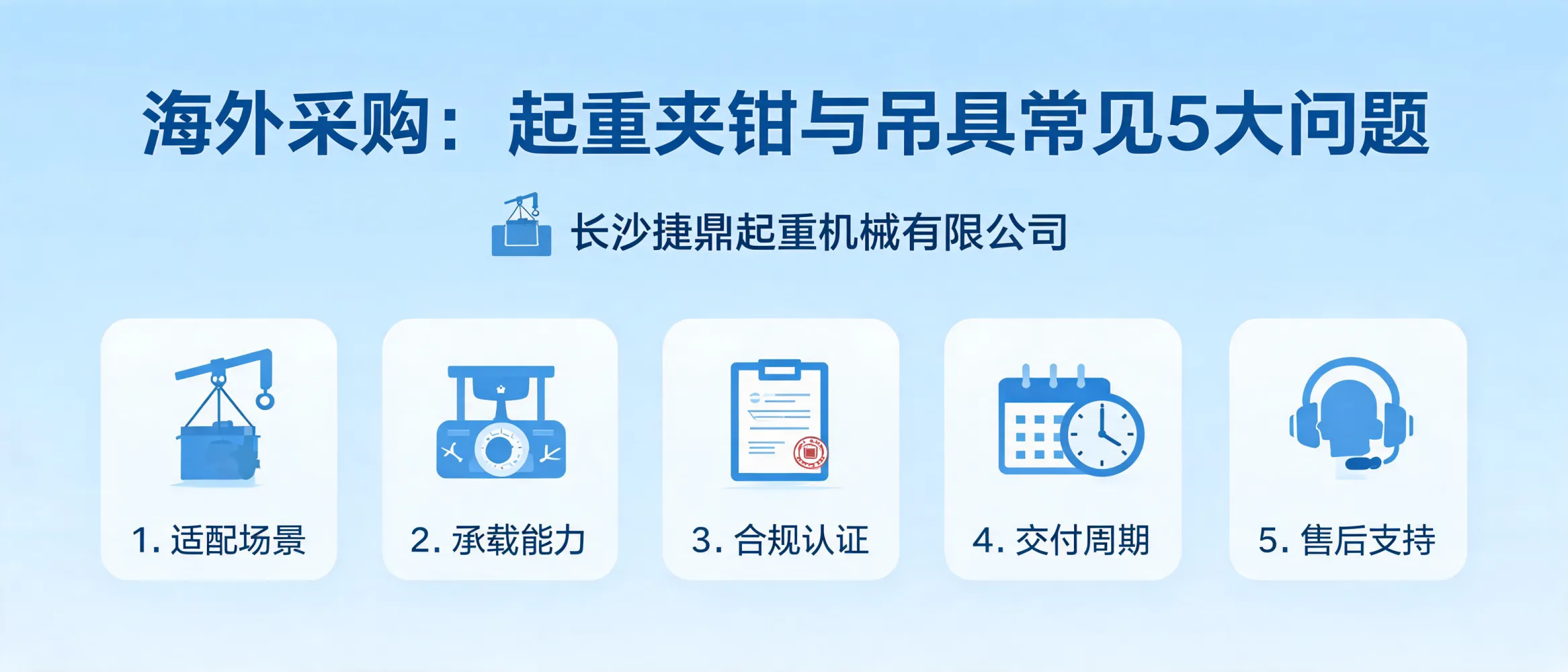
A reliable procurement decision starts with the application rather than the equipment name. Buyers should define the following requirements before comparing suppliers or requesting a quotation:
Identify the load type, dimensions, connection points, center of gravity, surface condition, and whether the load is rigid, flexible, packaged, or containerized.
Consider port operations, logistics yards, construction sites, indoor facilities, weather exposure, available space, and the expected lifting frequency.
Confirm the required working capacity, lifting configuration, crane or hoist interface, operating range, and any need for quick adjustment or changeover.
Review manufacturing quality controls, inspection documentation, operating instructions, installation guidance, training, and after-sales response.
For standardized container handling, a dedicated container spreader is generally more suitable than a general-purpose lifting connection or a material-gripping clamp. It is designed to interface with container corner fittings and support repeatable handling in ports, logistics parks, and construction projects where containerized loads are moved frequently.
Important selection principle: A container spreader should be selected according to the container sizes to be handled, the lifting equipment interface, the required operating frequency, and the site’s safety and workflow requirements. It should not be treated as a substitute for a lifting clamp designed to grip other load types.
Changsha Jieding Lifting Machinery supplies container spreaders for port, logistics, and construction applications. The product is developed for efficient handling of 20 ft and 40 ft containers and is intended for high-frequency lifting environments where reliable engagement and operational consistency are important.
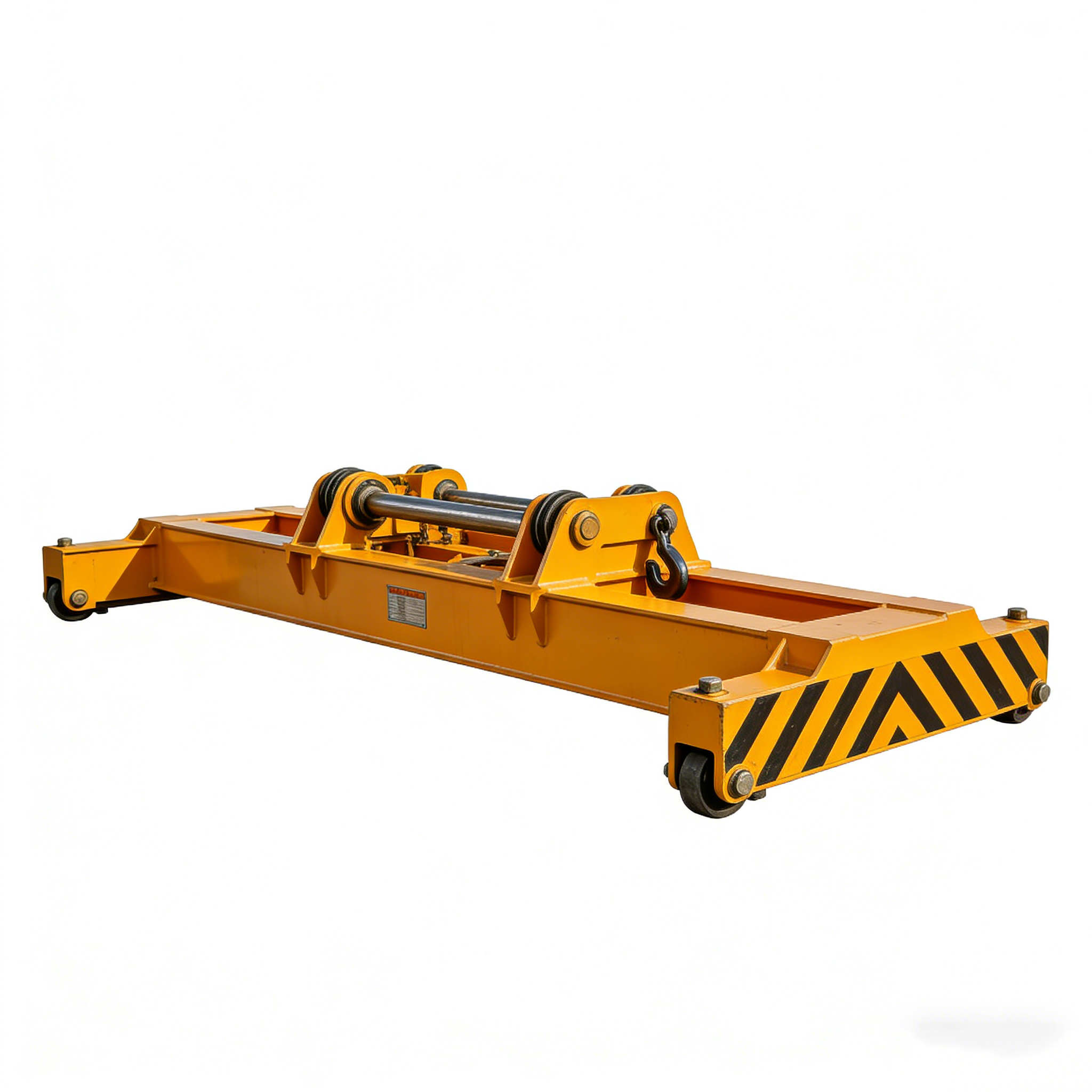
For engineering, logistics, manufacturing, and lifting-equipment buyers, the most dependable approach is to match the attachment to the load and the complete lifting system. Lifting clamps are appropriate when direct gripping is required and the load is compatible with the clamp design. A container spreader is better suited to standardized container handling, particularly when fast changeover between 20 ft and 40 ft containers is part of the workflow.
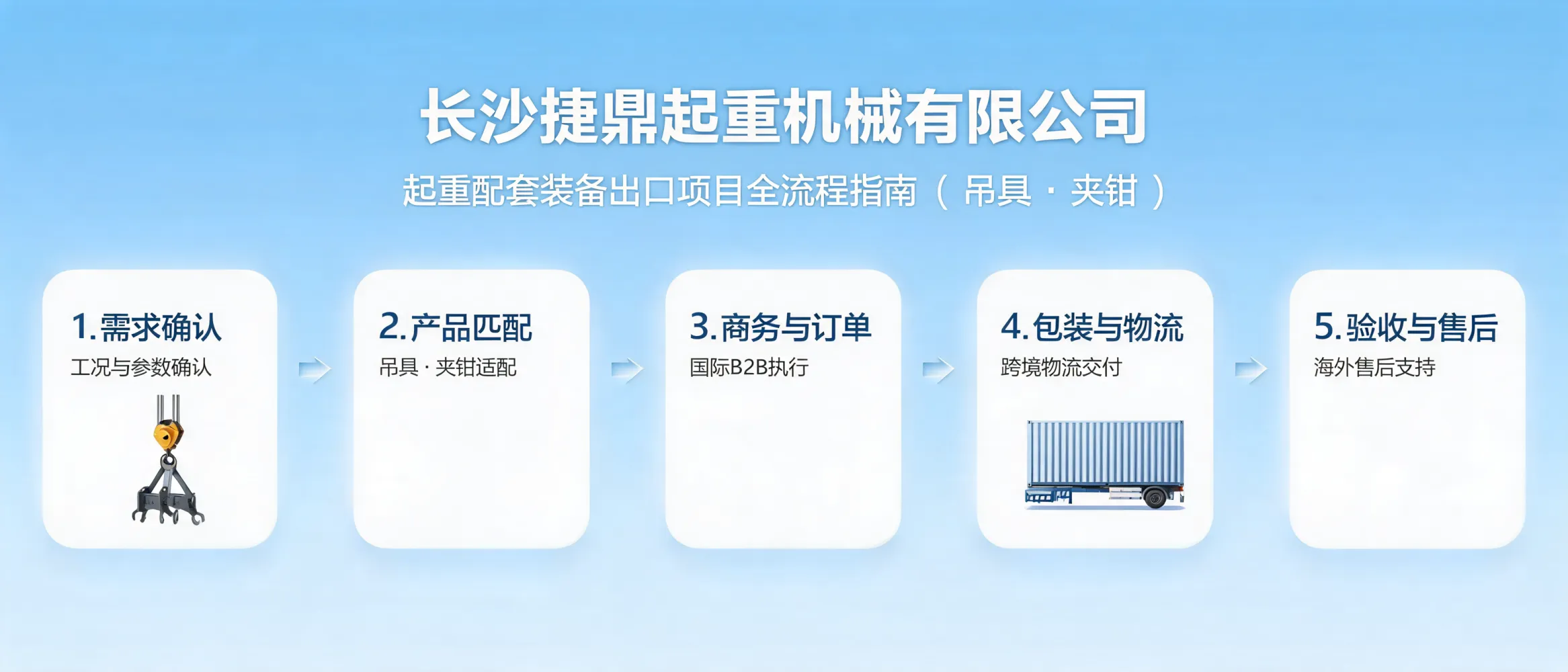
Changsha Jieding Lifting Machinery Co., Ltd. supports international B2B customers with product selection guidance, compliance coordination, logistics support, installation training, and after-sales response. With export experience across Southeast Asia, the Middle East, Europe, and Africa, the company provides a structured path from application review to delivery and ongoing technical support.