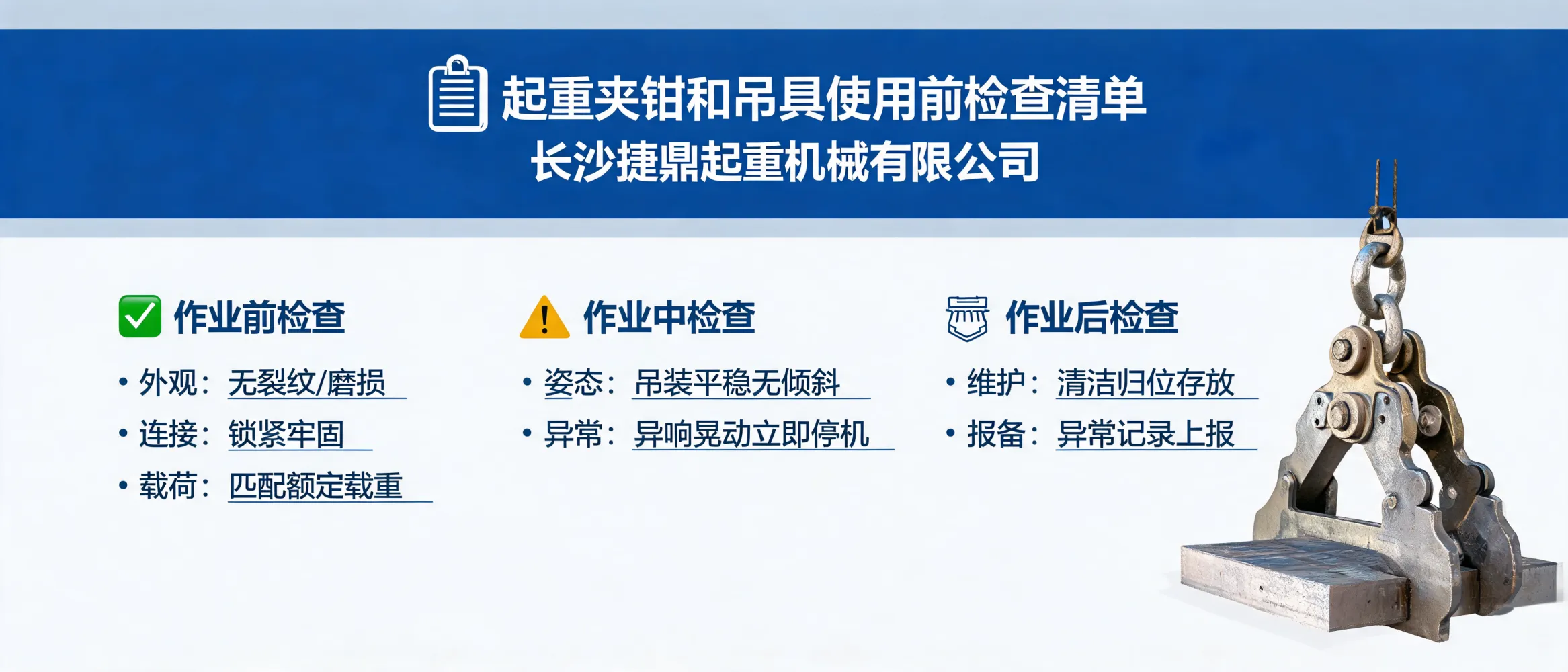
Lifting Gear vs Clamps: Functions, Applications and How to Choose
14 09,2026
Changsha Jieding Lifting Machinery Co., Ltd.
Concept Explanation
Changsha Jieding Lifting Machinery Co., Ltd. explains the differences between lifting gear and clamps, detailing functions, typical applications (ports, logistics yards, construction), selection criteria (load type, object geometry, environment, safety) and practical guidance for overseas buyers and contractors. Includes examples such as container spreaders and lifting clamps and outlines our specification and after‑sales support.

Overview
This guide clarifies the practical differences between lifting gear (examples: container spreaders, multi‑leg lifting beams) and clamps (plate clamps, vertical/horizontal clamps) for port, logistics yard and construction operations. It explains core functions, typical applications, and selection checkpoints to help overseas buyers, contractors and cargo handlers make safe, cost‑effective choices. Content and product references are provided by Changsha Jieding Lifting Machinery Co., Ltd., a B2B supplier of lifting accessories and clamps.
What are lifting gear and clamps?
Lifting gear (examples)
Specialized fixtures that interface directly with lifting equipment and loads—e.g., container spreaders, adjustable spreaders, lifting frames and multi‑point beam systems. Designed for repeatable, standardized lifting tasks.
Clamps
Mechanical or hydraulic devices that grip a specific workpiece (steel plate, bundle, pipe). Clamps are chosen for object geometry and surface conditions and typically serve lifting or temporary holding needs.
Key functional differences
- Interface & fit: Lifting gear (e.g., container spreader) connects to standardized lift points (container corner castings); clamps must match object contours and surface for secure grip.
- Use pattern: Spreaders and dedicated lifting frames are optimized for high‑frequency, repetitive lifts; clamps are better for irregular shapes or when individual gripping is required.
- Safety controls: Lifting gear often integrates locking and sensing systems to prevent accidental release; clamps use mechanical/hydraulic locking and may require secondary safety measures depending on application.
- Adjustment & mobility: Telescopic or articulated spreaders change span quickly for standard container sizes; clamps are adjusted or selected per job piece and may be single‑purpose.
Typical applications — ports, logistics yards, construction
Ports & container terminals
Container spreaders are the preferred choice when lifting full ISO containers. Their standardized interface and locking systems ensure fast, safe container handling and high throughput.
Logistics yards & warehouses
Where loads vary, a combination of modular lifting gear and dedicated clamps supports mixed workflows—spreaders for containers, clamps for bundled or sheet material.
Construction & site handling
Temporary lifting tasks (panels, beams, precast elements) often require clamps or purpose‑built lifting frames that adapt to irregular shapes and on‑site constraints.
Selection checklist — practical checkpoints
- Load definition: Determine gross weight, center of gravity, lifting points and whether the load is uniform (container) or irregular (plate, bundle).
- Object geometry & surface: Flat, cylindrical or corner‑castings require different gripping strategies and clamp types.
- Frequency & cycle time: High‑throughput terminals benefit from automated spreaders with quick telescoping; intermittent lifts can use clamps.
- Operational environment: Consider marine corrosion, dust, temperature extremes and local regulations—material choice and protection matter.
- Safety & monitoring: Prefer devices with mechanical locks plus sensor feedback (position sensors, limit switches) for critical lifts.
- Certification & traceability: Check manufacturer quality management (e.g., ISO9001), applicable standards and supply chain documentation for export/import compliance.
- Maintenance & support: Ensure availability of spare parts, on‑site training and service response for overseas operations.
Practical cue: when to choose a container spreader vs a clamp
Use a container spreader for ISO container handling where standardized corner fittings permit a repeatable, fast, and safe lift. Choose clamps when lifting sheets, plates, bundles or irregular objects where direct gripping is required and container interfaces are absent.
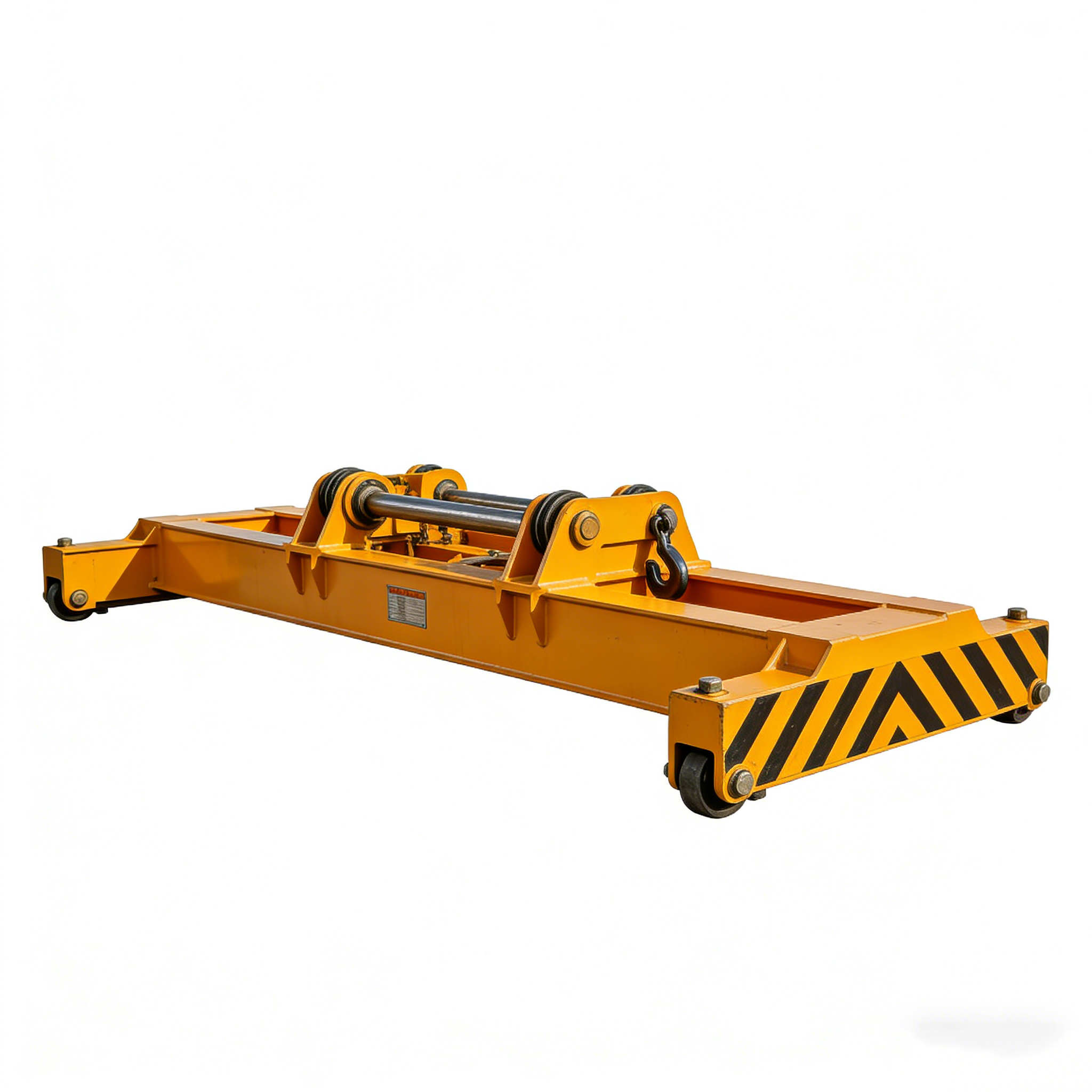
Why this spreader design matters
The spreader developed by Changsha Jieding integrates an automatic rotating lock and position sensors to ensure precise engagement with container corner castings and to reduce the risk of accidental release. Its telescopic span supports quick switching between 20ft and 40ft containers—suitable for terminal operators focused on uptime and throughput.
Product snapshot — container spreader (product reference)
| Product name |
Container spreader (automatic locking, position detection) |
| HS Code |
8609001900 |
| Compatibility |
Telescopic span for 20ft and 40ft ISO containers |
| Key safety & design features |
Automatic rotating locking system, integrated position sensors, FEA‑optimized structure for high strength-to-weight, ISO9001 production process |
| After‑sales & services |
Pre‑sales selection guidance, on‑site installation training, spare parts supply and technical support for export customers |
Procurement & specification tips for overseas buyers
- Request clear technical drawings and lifting diagrams showing rated interfaces and connection points.
- Specify environmental protections (coatings, seals) based on coastal or desert operations.
- Ask for sensor and lock test reports or factory acceptance test (FAT) procedures before shipment.
- Confirm spare parts lead time and recommended preventive maintenance schedule.
Certification & supplier support
Changsha Jieding Lifting Machinery Co., Ltd. manufactures lifting accessories under an ISO9001 quality system and exports to markets in Southeast Asia, the Middle East, Europe and Africa. For project procurement we provide:
- Specification alignment and selection advice for load scenarios and environments
- Factory acceptance testing and documentation for export clearance
- Installation guidance, on‑site training and responsive after‑sales support
Next steps
If your project involves container handling or mixed lifting tasks, consider a short specification review: share load drawings and operating conditions with our technical team to receive an equipment recommendation and documentation package. Changsha Jieding Lifting Machinery can support product selection, export documentation and on‑site commissioning for overseas projects.
For a technical consultation or to request product materials and FAT procedures, contact Changsha Jieding Lifting Machinery Co., Ltd.. Our specialists will help match lifting gear or clamps to your project needs.