Practical guide for industrial lifting equipment selection
Lifting clamps and lifting slings are both widely used for material handling, but they are not interchangeable. Their working principles, suitable load types, operating environments, inspection requirements, and purchasing considerations are different. For overseas engineering, manufacturing, warehousing, and logistics projects, the right selection should be based on the load, lifting method, workplace conditions, and applicable compliance requirements.
Changsha Jieding Lifting Machinery Co., Ltd. provides lifting equipment and related accessories for international B2B customers. This guide outlines the practical differences between lifting clamps and lifting slings and places products such as electric hoist hooks within the broader context of safe and compliant lifting equipment procurement.
The main difference is how the load is connected and supported. A lifting clamp normally grips or attaches to a specific part of a load, while a lifting sling supports the load by wrapping around it, passing through it, or connecting it to a lifting point. The correct choice depends on the shape, surface, weight distribution, lifting direction, and handling requirements of the load.
| Selection factor | Lifting clamps | Lifting slings |
|---|---|---|
| Connection method | Attach to or grip a suitable part of the load. | Wrap around, pass through, or connect to approved lifting points. |
| Typical load consideration | Requires a compatible load shape, surface, and attachment position. | Requires suitable sling configuration, contact protection, and balanced load support. |
| Operational flexibility | Useful when direct attachment and controlled positioning are needed. | Useful for varied shapes and lifting arrangements when the load can be safely supported. |
| Key safety focus | Correct gripping position, secure engagement, surface condition, and rated capacity. | Sling condition, angle, edge protection, load balance, and rated capacity. |
Lifting clamps may be appropriate when the load has a compatible attachment area and the lifting operation benefits from a direct connection. They are often considered for handling defined load surfaces in manufacturing, fabrication, construction, and equipment installation environments.
Lifting slings may be suitable when the load can be safely supported through a wrapping, basket, choker, or other approved arrangement. The sling configuration should match the load geometry and the planned lifting points.
Neither a lifting clamp nor a lifting sling should be selected by capacity alone. Safe use requires a complete review of the load, the lifting equipment, the working environment, and the operating procedure.
For international procurement, equipment selection should combine technical suitability with documentation, delivery, and after-sales considerations. A structured review can help buyers reduce compatibility risks and improve project coordination.
Describe the material, lifting frequency, working environment, handling direction, and equipment system.
Compare rated capacity, connection method, load geometry, operating conditions, and compatibility with the lifting system.
Check the required standards, certificates, inspection records, product information, and destination-market requirements.
Confirm packaging, export documentation, customs assistance, technical communication, and post-delivery support.
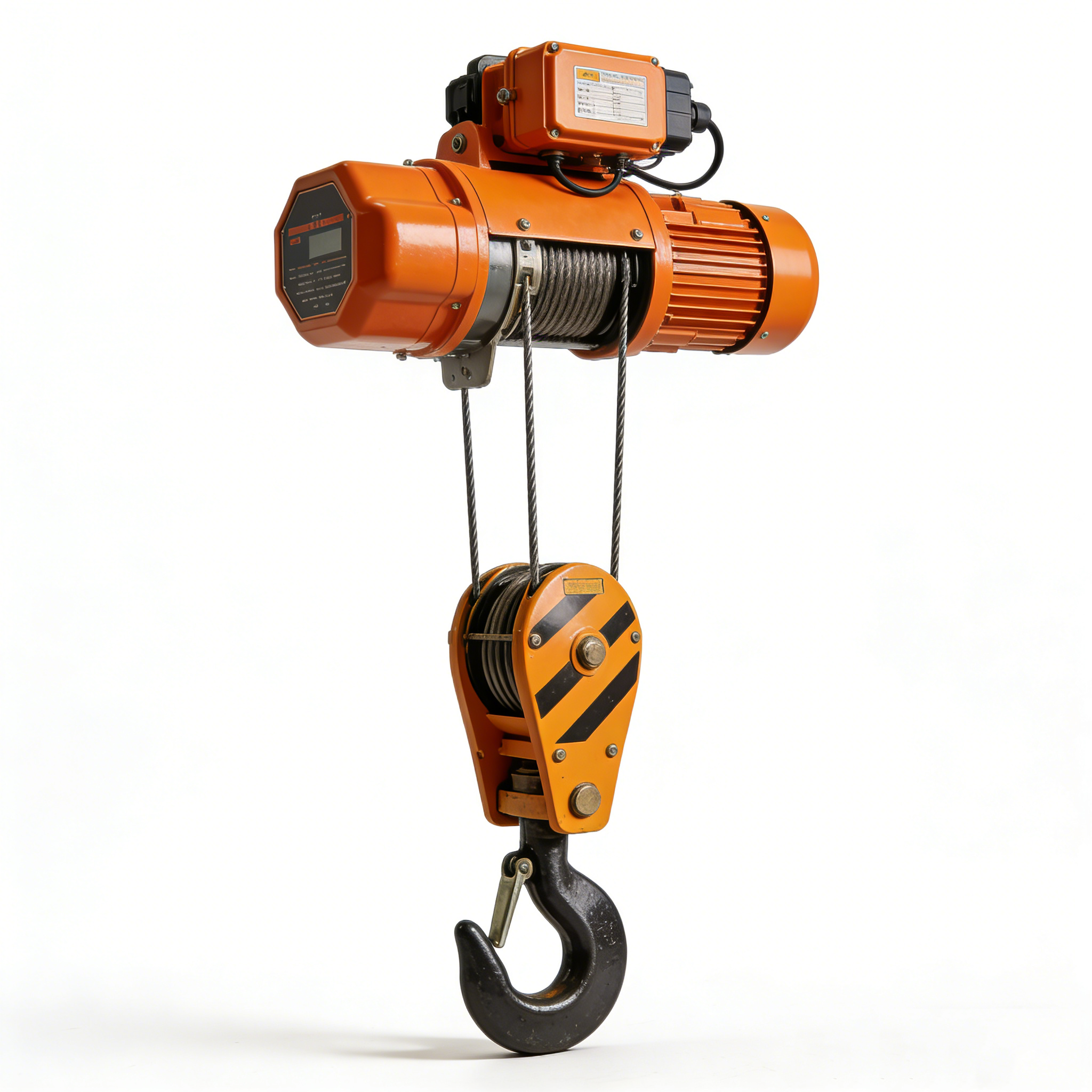
In addition to clamps and slings, the connection components used in a lifting system also require careful selection. Changsha Jieding’s electric hoist hook is designed for electric hoists, overhead cranes, and gantry crane systems used in equipment handling, mold lifting, warehousing, and logistics applications.
The hook uses a heat-treated forged-steel structure for strength and durability. Its spring-type overload limiter is designed to trigger an alarm and cut off power when the load exceeds the specified safe limit. An anti-drop latch supports load retention, while a hardened wheel surface is intended to reduce friction and support smoother lifting cycles.
The product supports OEM customization and technical assistance for international customers. ISO and EN requirements, as well as CE or SGS documentation, should be confirmed according to the specific configuration, destination market, and project requirements.
The most suitable lifting solution is determined by the relationship between the load, the attachment method, the lifting system, and the operating conditions. Changsha Jieding supports overseas B2B buyers with product selection, international trade coordination, certification-related communication, logistics assistance, OEM customization, and technical support for lifting accessories and related equipment.