
Lifting Equipment Selection Guide
Lifting clamps and container spreaders serve different load-handling requirements. The correct choice depends on the load’s rated capacity, geometry, material, connection method, working environment and safety features. This guide is intended for overseas contractors, equipment distributors and procurement teams evaluating lifting equipment for ports, logistics yards and construction projects.
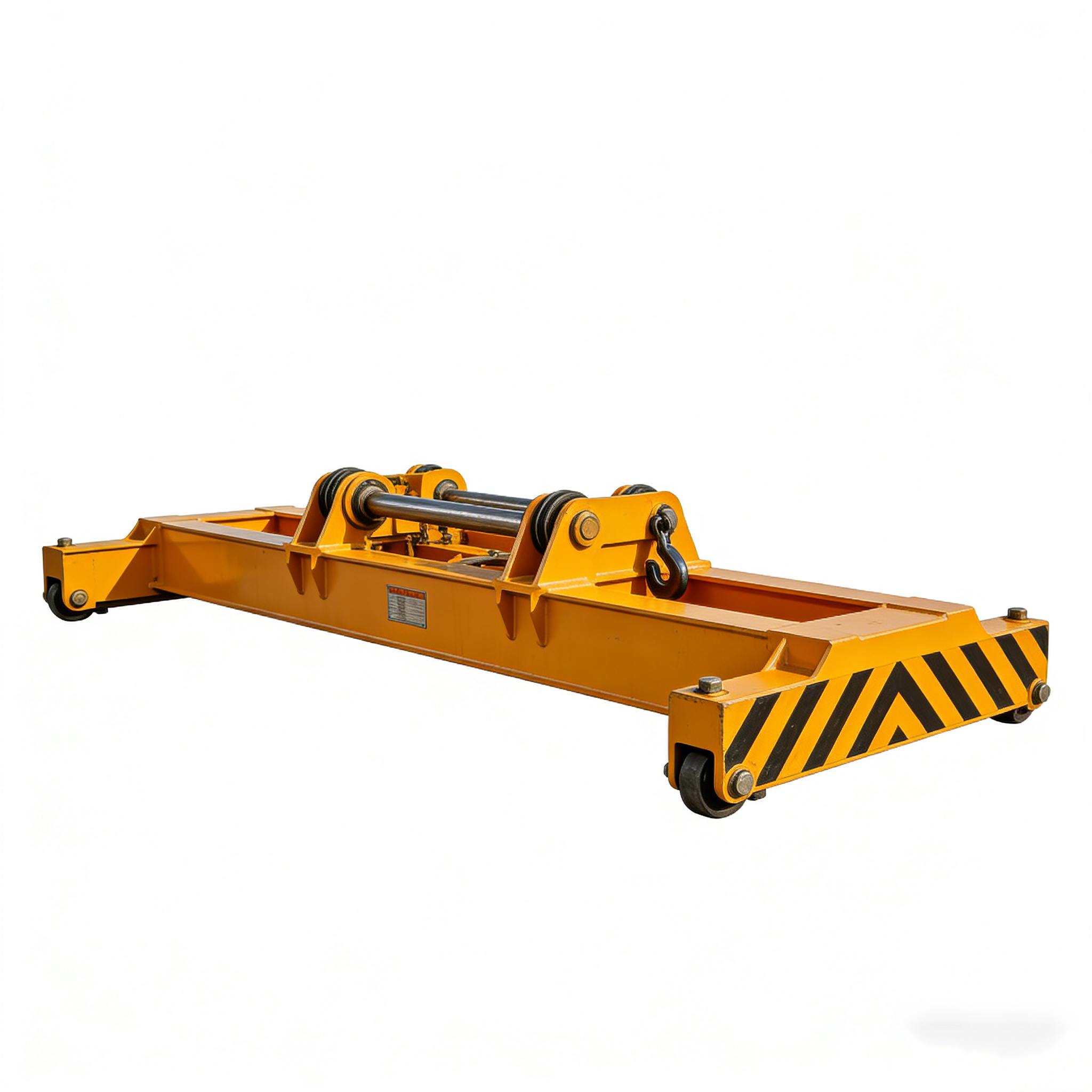
A lifting clamp is generally selected according to the shape and material of the load and the way the clamp grips it. A container spreader is designed for controlled lifting of shipping containers and is commonly used with cranes in ports, logistics yards and construction sites. Selection should begin with the actual handling task rather than with the equipment name alone.
Evaluate the load material, gripping geometry, contact surface and required connection method before selecting a suitable clamp configuration.
Prioritize container length compatibility, rated capacity, twist-lock or locking performance, position confirmation and crane connection requirements.
| Factor | What to Confirm | Why It Matters |
|---|---|---|
| Rated capacity | The equipment rating in relation to the container and lifting configuration. | Prevents selection of equipment that is unsuitable for the intended load. |
| Container size | Whether the spreader supports the required 20-foot, 40-foot or other specified container format. | Ensures correct engagement and reduces unnecessary changeover time. |
| Locking and position detection | The locking mechanism, operating sequence and available position feedback. | Supports correct engagement and helps reduce the risk of incorrect operation or unintended release. |
| Working environment | Port, yard or construction use; operating frequency; weather and handling conditions. | Helps match the design to the required operating intensity and site conditions. |
| Crane connection | The connection arrangement and interface with the customer’s lifting system. | Confirms installation compatibility before shipment and commissioning. |
The container spreader developed and supplied by Changsha Jieding Lifting Machinery Co., Ltd. is designed for container handling in ports, logistics parks and construction sites. Its configuration combines automatic rotary locking, position detection and telescopic adjustment to support practical lifting operations.
Safe lifting depends on the complete operating system, including the spreader, crane, connection points, container condition and trained personnel. Before use, the responsible team should verify the following items against the applicable equipment documentation and site procedures:
Important: Rated capacity, connection compatibility and operating limits must be confirmed for the specific equipment configuration. This page provides selection guidance and does not replace the product documentation, risk assessment or trained-site operating procedures.
For overseas contractors, distributors and procurement teams, equipment selection is only one part of a successful supply project. Changsha Jieding Lifting Machinery Co., Ltd. provides support across the purchasing process, including product selection guidance, international trade coordination, logistics arrangements, installation training and after-sales response.
Whether the project involves port handling, a logistics yard or a construction site, provide the container size, required capacity, crane connection information, operating environment and expected frequency of use. The team at Changsha Jieding Lifting Machinery Co., Ltd. can use these details to support a more appropriate lifting clamps or container spreader selection.


