Safe lifting starts with choosing equipment that matches the load, lifting method and operating environment.
Lifting clamps and lifting spreaders are important types of lifting and handling equipment used in engineering construction, ports, logistics facilities and other heavy-load applications. Although both are connected to lifting operations, they serve different purposes: lifting clamps grip compatible materials such as steel plates or structural components, while lifting spreaders support controlled lifting of loads such as shipping containers.
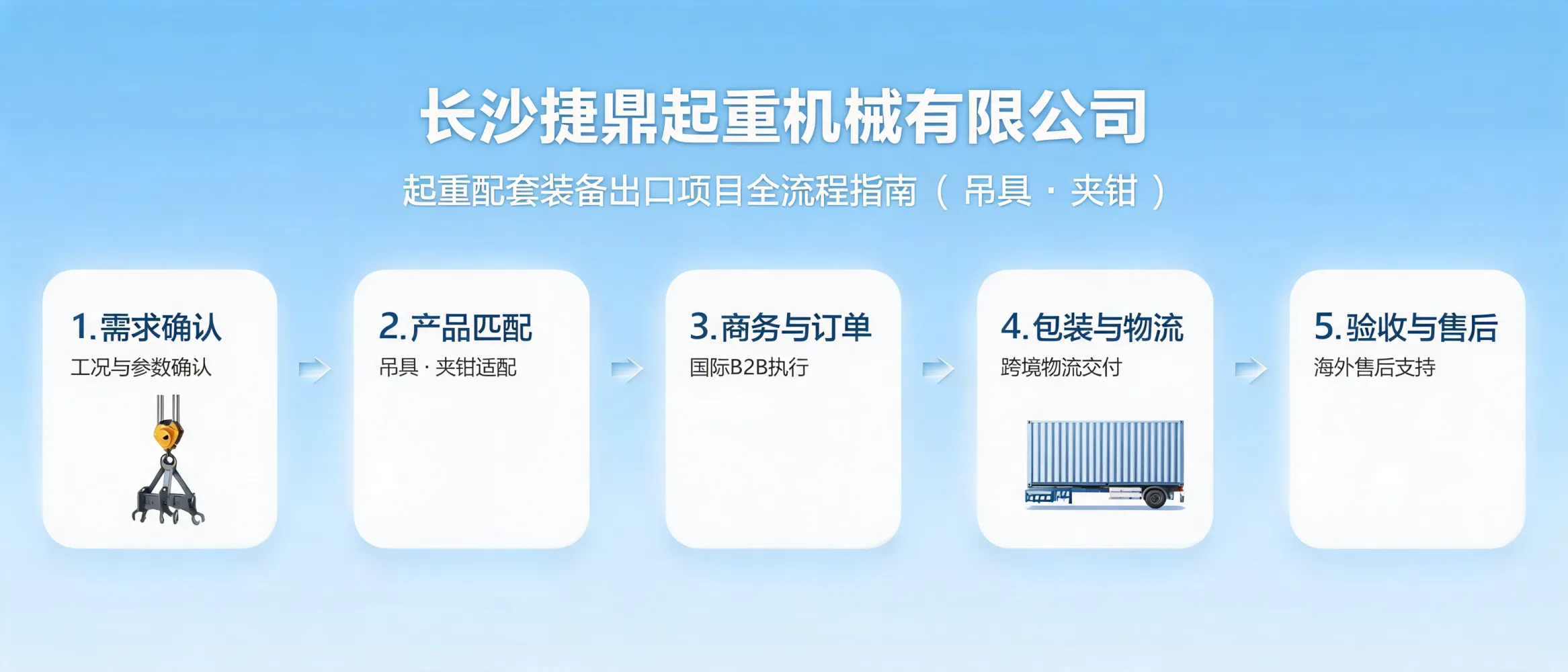
Changsha Jieding Lifting Machinery Co., Ltd. supplies lifting equipment for overseas B2B procurement, with support covering product selection, quality requirements, international trade coordination, logistics and after-sales communication.
The main difference is how the load is engaged and supported during lifting. The right choice depends on the shape and material of the load, rated capacity, lifting points, crane or hoist compatibility, and the required operating procedure.
| Equipment type | Typical function | Key selection considerations |
|---|---|---|
| Lifting clamps | Grip and move compatible materials, including steel plates and structural components. | Material type, plate or component dimensions, gripping method, rated capacity and operating conditions. |
| Lifting spreaders | Distribute and control lifting forces for loads such as containers. | Load dimensions, container format, crane interface, locking arrangement, sensing requirements and working environment. |
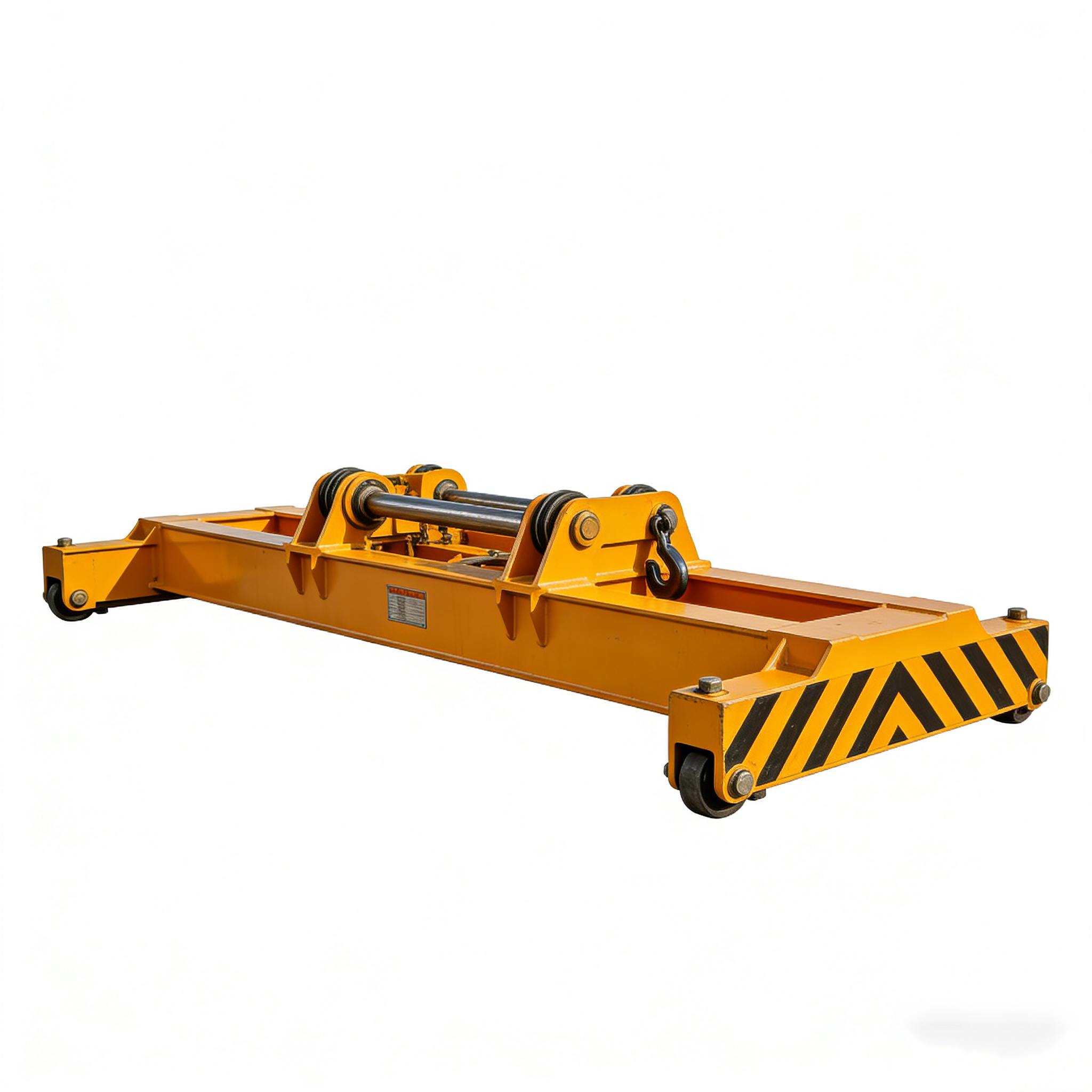
Changsha Jieding’s container spreader is designed for container handling in ports, logistics parks and construction sites. Its configuration combines an automatic twist-locking system with position detection to support accurate engagement and help reduce the risk of incorrect locking or unintended release during operation.
The telescopic structure is designed to switch between 20-foot and 40-foot containers, helping operators adapt to common container handling requirements without changing the complete lifting attachment. The product is also suitable for customers looking for a heavy-duty spreader for frequent lifting operations.
The automatic twist-locking system and position detection function support more controlled engagement and help operators identify the locking status during container lifting procedures.
A telescopic design enables adjustment for 20-foot and 40-foot containers, supporting flexible handling across different container sizes.
Finite element analysis is used in the structural design process to support a balance between strength and weight for frequent heavy-load applications.
Changsha Jieding operates as an ISO 9001-certified enterprise and provides lifting equipment for customers in Southeast Asia, the Middle East, Europe and Africa.
For overseas lifting equipment procurement, equipment selection should be based on the complete operating requirement rather than the product name alone. The following points help define a suitable configuration:
A lifting attachment is only one part of a complete handling solution. Changsha Jieding supports B2B customers with product selection guidance, application communication, quality and certification coordination, international logistics and after-sales service. Installation or operation training can also be arranged according to the project requirement.
When evaluating lifting clamps, lifting spreaders or container spreaders, customers can provide the load type, container size, crane information, operating frequency and destination market. This information allows the equipment configuration and service plan to be reviewed more accurately before purchase.