Changsha Jieding Lifting Machinery Co., Ltd.
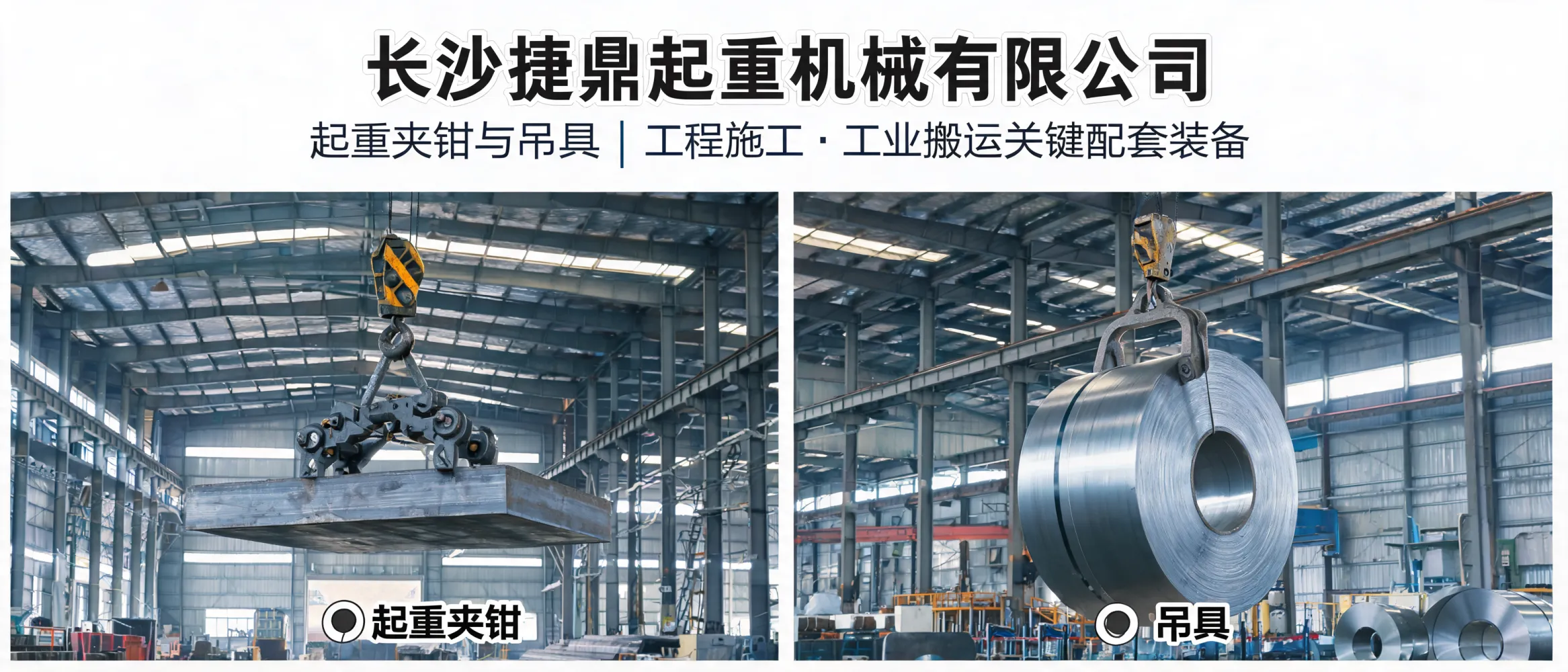
Lifting clamps and rigging are core load-handling accessories used to secure, lift, move, and position heavy materials safely and efficiently. For B2B buyers in construction, infrastructure, manufacturing, and industrial logistics, these accessories play an important role in day-to-day operations involving steel plates, beams, pipes, and other heavy components.
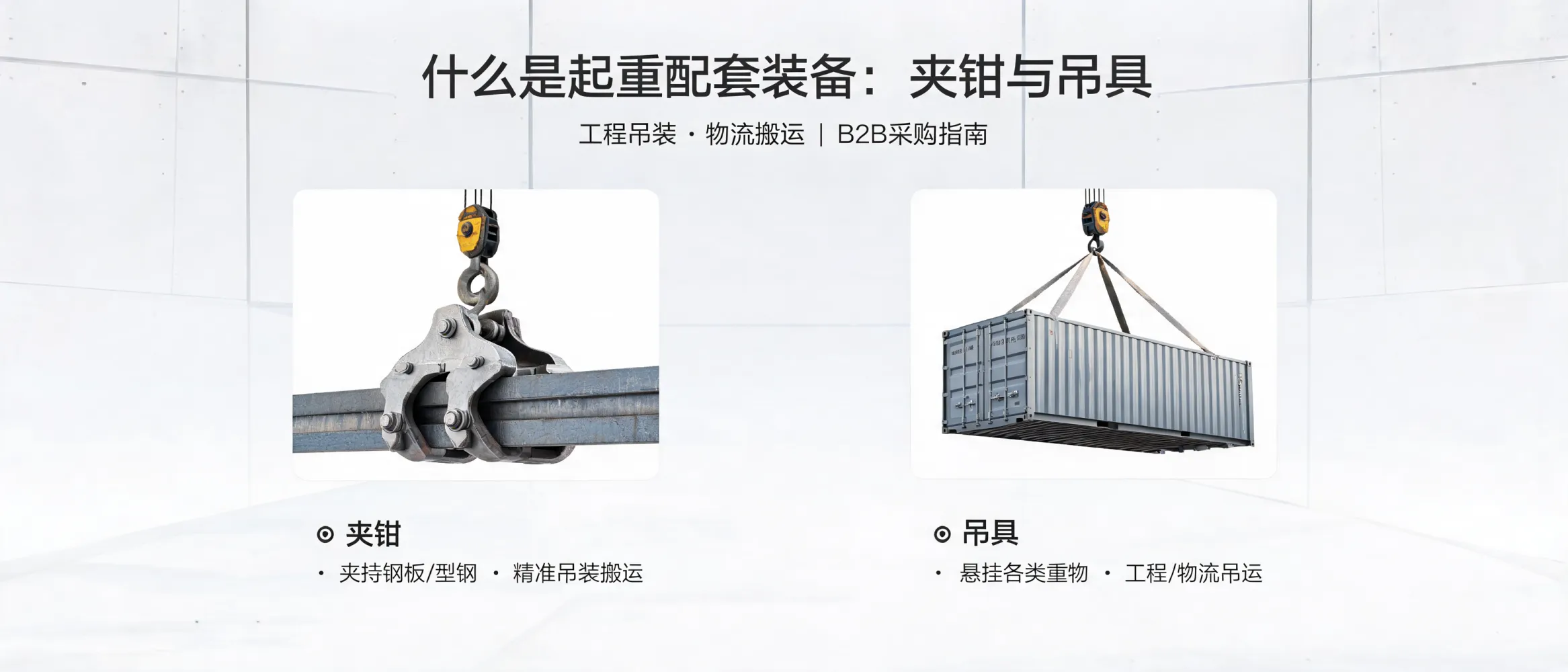
A lifting clamp is a mechanical accessory designed to grip a load and support it during lifting or horizontal handling, depending on its design and application. Rigging is a broader term that refers to the equipment and connection methods used to attach, control, and lift loads in a safe and organized way.
In practical use, these products are selected according to the shape, weight, surface condition, and handling direction of the material. When properly matched, they help improve handling efficiency while supporting safer lifting operations.
Lifting clamps and rigging accessories are commonly used with a range of heavy materials. The exact product type should always match the load characteristics and the working environment.
| Material / Load Type | Typical Handling Need | Why It Matters |
|---|---|---|
| Steel plates | Stable lifting and transfer | Surface contact, grip condition, and load balance affect handling safety. |
| Beams and structural sections | Controlled positioning | Shape and lifting point selection are critical for stable movement. |
| Pipes and cylindrical components | Grip and anti-slip handling | Round surfaces require appropriate clamp type and careful load assessment. |
| Heavy industrial components | Transfer between process stages | Equipment choice should align with weight, geometry, and operating conditions. |
Used for lifting and positioning steel materials, structural parts, and other heavy building components on site.
Supports material transfer in bridge, road, port, and related project environments where reliable handling is required.
Suitable for workshops, fabrication yards, warehouses, and production areas that handle large metal parts.
The right lifting clamp or rigging accessory should be selected based on the actual load, operating method, and safety requirements of the project, not only by appearance or general size.
Changsha Jieding Lifting Machinery Co., Ltd. focuses on lifting accessories and related export services, with a business model centered on B2B trade. Supported by Changsha’s engineering machinery industrial cluster and export ecosystem, the company serves international buyers who need dependable product sourcing and responsive cross-border support.
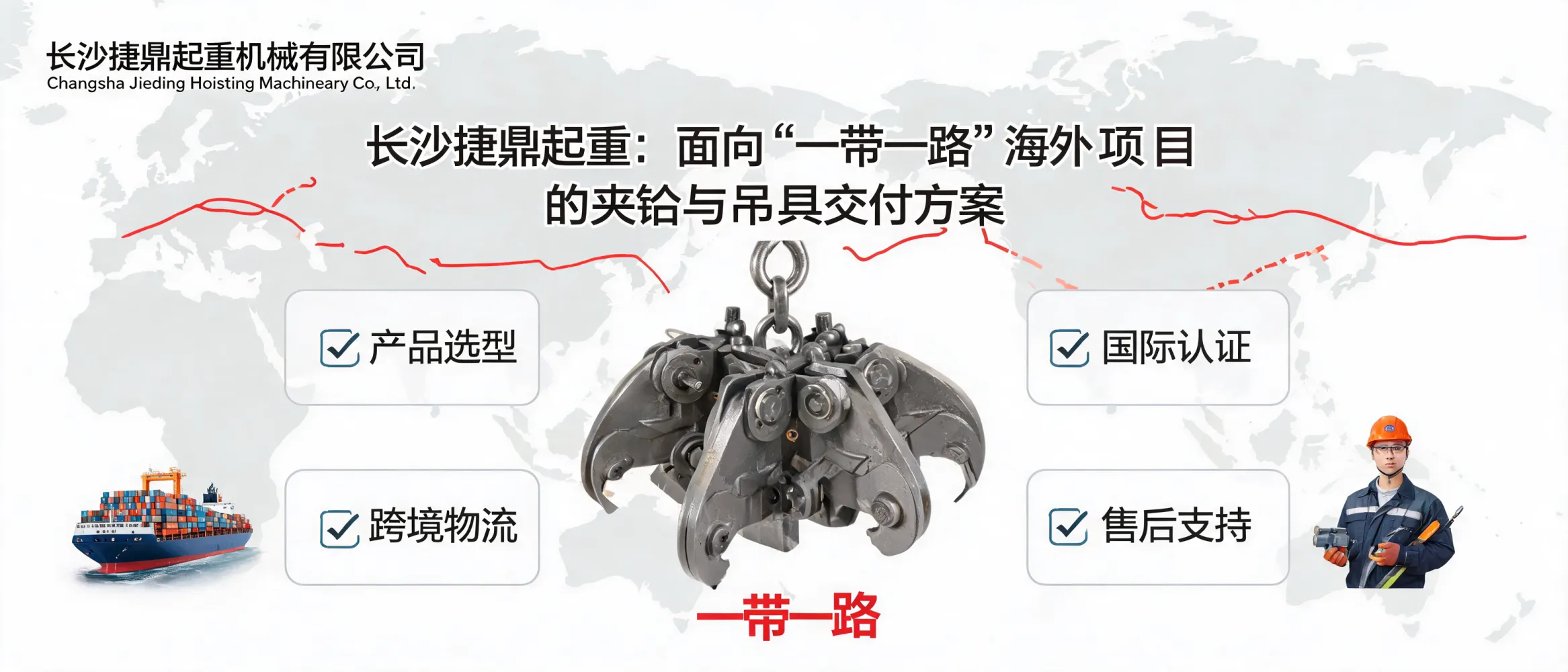
Our service approach follows a complete export workflow, including product selection support, international certification coordination, logistics delivery, and after-sales assistance. This helps buyers align product choice with project requirements and market expectations.
With a focus on compliance, quality, and customer-oriented service, the company works with clients across Southeast Asia, the Middle East, Europe, Africa, and other regions where construction and industrial handling demand practical lifting solutions.
For B2B procurement, the value of lifting clamps and rigging lies in matching the right accessory to the right load, environment, and operating standard. When product selection is clear and support is consistent, handling work becomes more organized, efficient, and easier to manage across different project stages.