Lifting Attachments vs Lifting Clamps — Practical Selection Guide
10 09,2026
Changsha Jieding Lifting Machinery Co., Ltd.
Concept Explanation
Changsha Jieding Lifting Machinery Co., Ltd. compares lifting attachments and lifting clamps — definitions, structural traits, suitable work conditions and selection criteria (load type, workpiece shape, environment, safety and supporting equipment) — to help overseas buyers and project teams choose the right lifting gear.
Quick orientation
This practical guide helps procurement teams, port operators and project engineers choose between lifting attachments (for example, container spreaders) and lifting clamps. Below we explain definitions, compare structural traits and operational fit, and provide a concise selection checklist you can use when specifying equipment for ports, logistics yards and construction sites.
Definitions — what each device is for
Lifting attachments
Tools attached to the crane hook to handle standardized, suspended loads. Typical examples include spreaders designed for container handling. They are optimized for repeatable engagement, minimal manual handling and integration with port crane controls.
Lifting clamps
Clamps are devices that grip, pinch or wedge onto a workpiece (plates, beams, irregular items) for direct lift. They are chosen when a load cannot be handled by suspension points or standardized fittings and often require surface contact and appropriate protection for the workpiece.
Friction or positive mechanical bite on the workpiece
Best environments
Ports, container yards, high-frequency logistics
Workshops, construction sites, load fabrication areas
Safety features
Often include lock systems and sensors to confirm engagement
May include mechanical locks, indicators and load-limiting designs
Selection checklist — choose by operational fit
Load type & weight: Use attachments (spreader) for standardized containers and suspended loads; choose clamps when lifting plate-like or irregular items that lack lifting points.
Workpiece shape & surface: Clamps require adequate gripping surfaces and may need surface protection; spreaders need compatible corner castings or standard fittings.
Operation frequency: High-frequency container handling benefits from automatic spreaders with quick-change features to reduce crane idle time.
Site environment: Port and marine environments require corrosion-tolerant designs and sensors that perform reliably in dust, salt spray or variable temperatures.
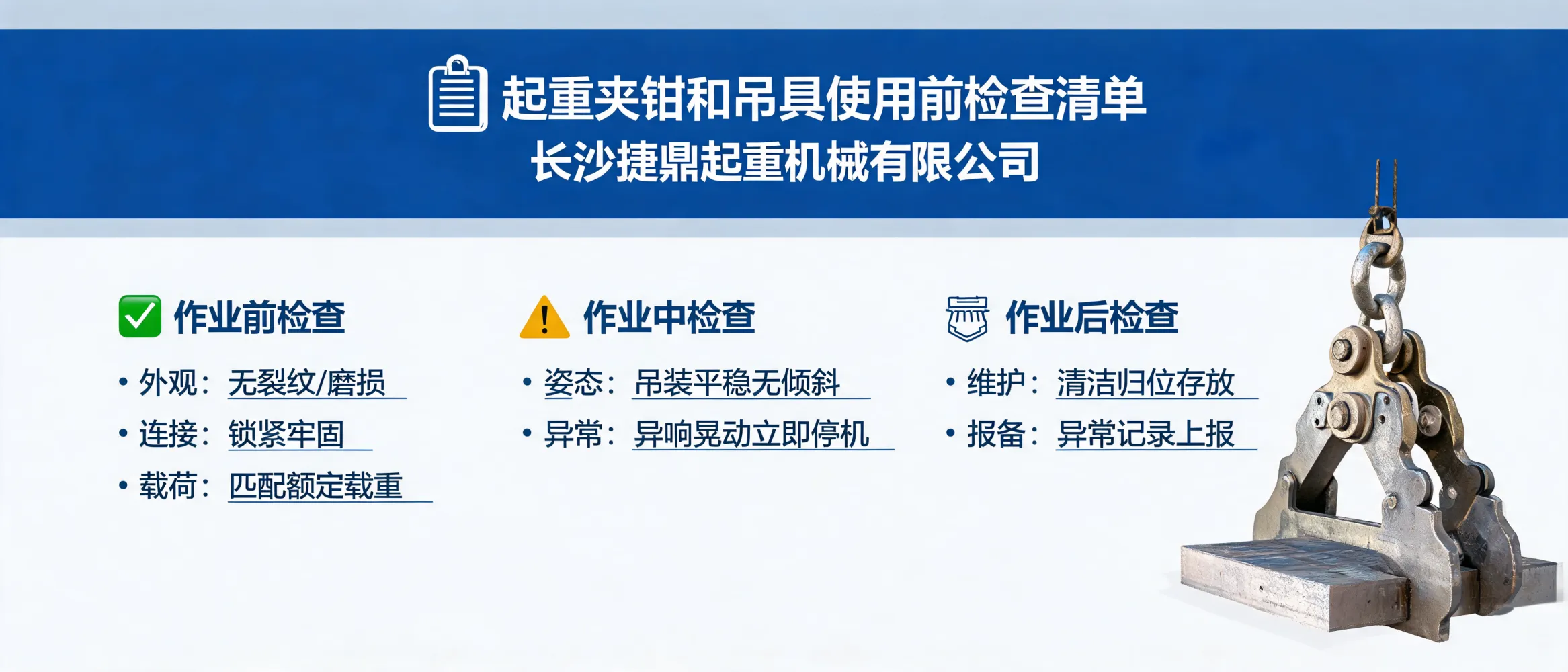
Safety & monitoring: Prioritize devices with locking mechanisms, position sensing or engagement feedback to prevent accidental release during lifts.
Crane & rigging compatibility: Confirm hook, pendant, and control-system interfaces (electrical, pneumatic) before procurement.
Tip: For project tenders, include acceptance criteria that require engagement confirmation (mechanical lock + sensor) and a matched maintenance plan to ensure long-term reliability.
Product highlight — Container spreader
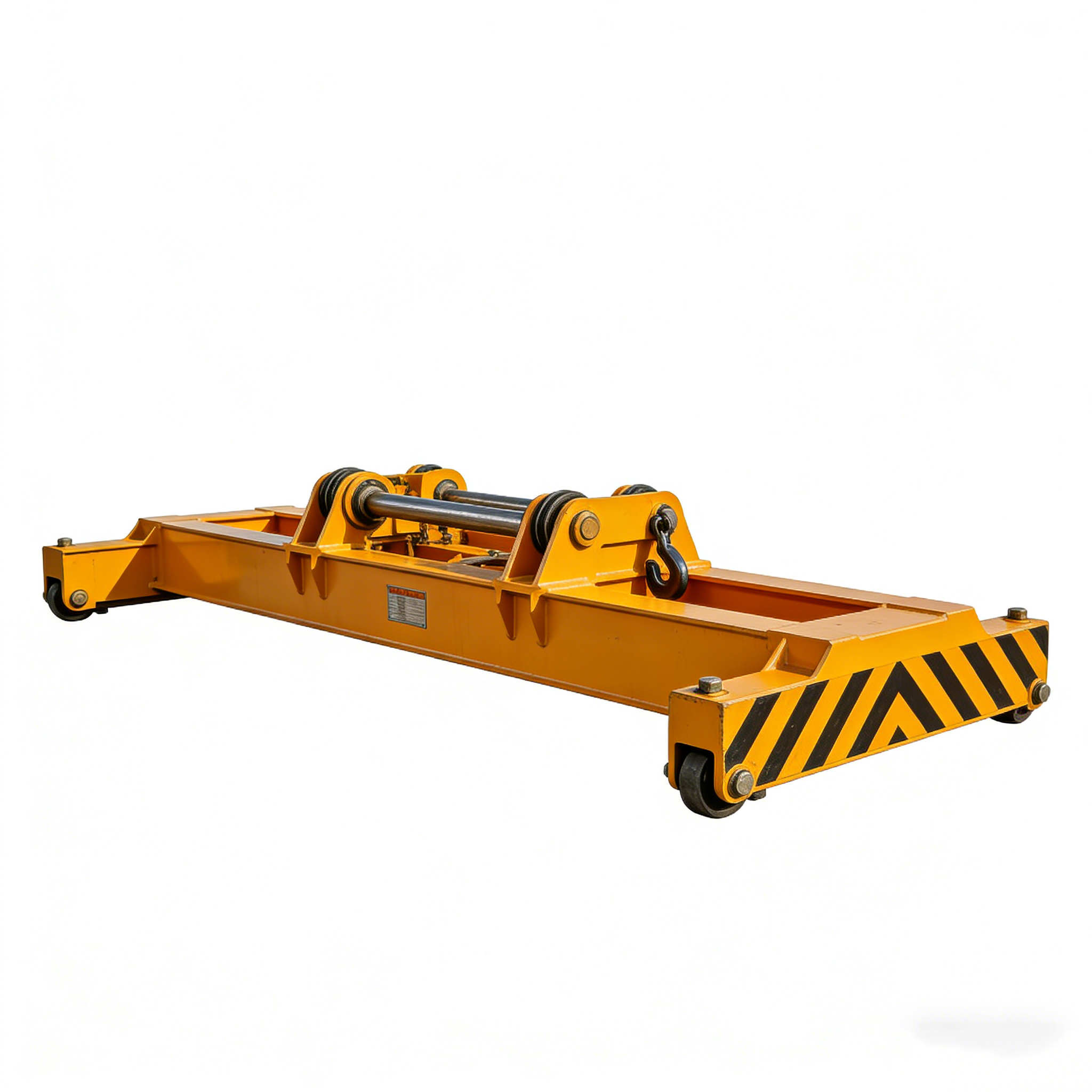
Changsha Jieding Lifting Machinery Co., Ltd. designs and manufactures a container spreader tailored for ports, logistics parks and project sites. Key characteristics:
Automatic rotating locking + position sensing to ensure precise engagement and reduce risk of accidental release.
Telescopic design for fast switching between 20ft and 40ft containers, improving turnover efficiency.
FEA-optimized structure for high strength with reduced weight — suitable for frequent heavy-duty use.
ISO9001 production and export experience to Southeast Asia, Middle East, Europe and Africa (HS code: 8609001900).
One-stop service: selection guidance, on-site installation training and after-sales support.
Procurement & technical support considerations
Specification pack: request mechanical drawings, FEA summary, certification (e.g., ISO9001 evidence) and electrical/sensor interfaces before approval.
Site acceptance: include functional tests for locking and position detection, and define criteria for inspection and trial lifts.
Training & service: require on-site installation guidance and operator training in the supply contract to reduce commissioning risk.
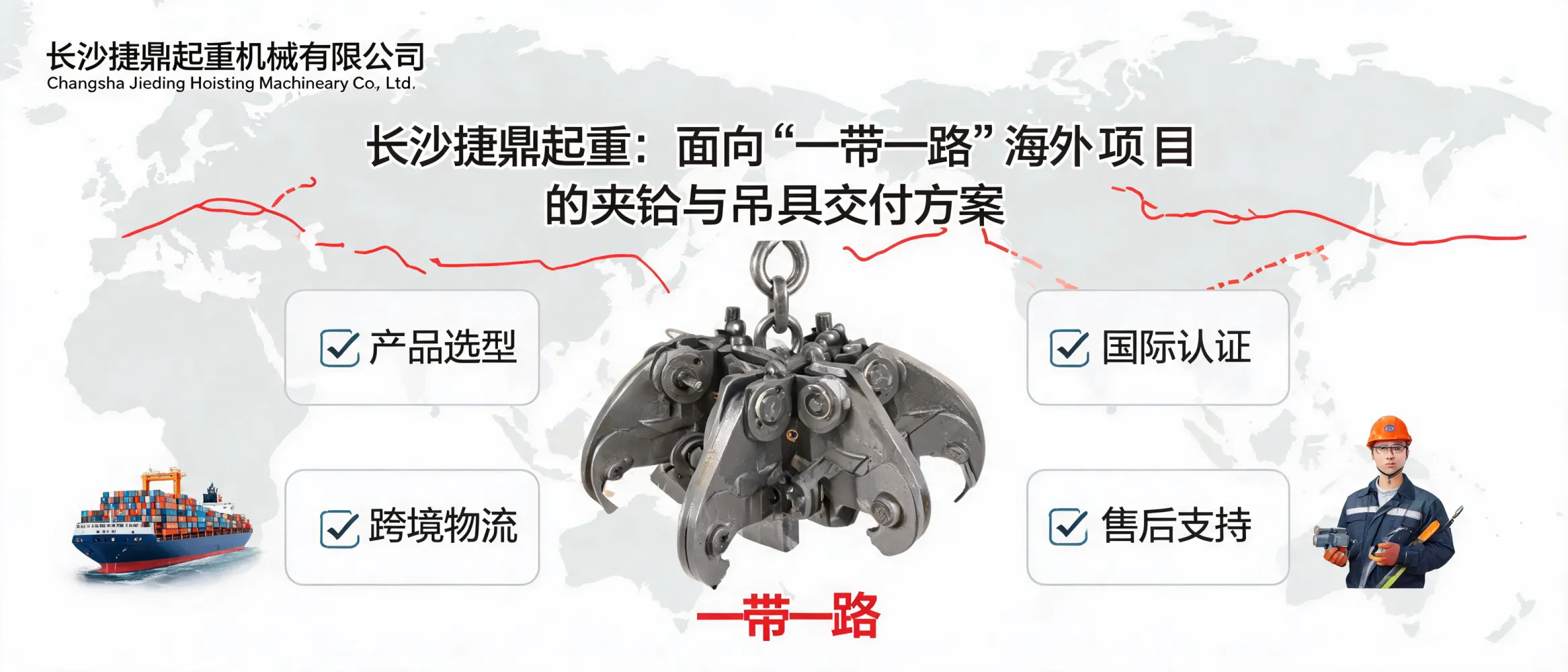
Changsha Jieding Lifting Machinery Co., Ltd. provides end-to-end export services — from product selection to logistics and after-sales response — geared to international port and project standards.
Next steps for buyers
Use the checklist above when preparing specifications or tender documents. For technical enquiries about the container spreader or tailored lifting solutions, contact Changsha Jieding with your load profiles, crane interfaces and expected operating environment — the company can provide selection advice, technical drawings and on-site support plans.