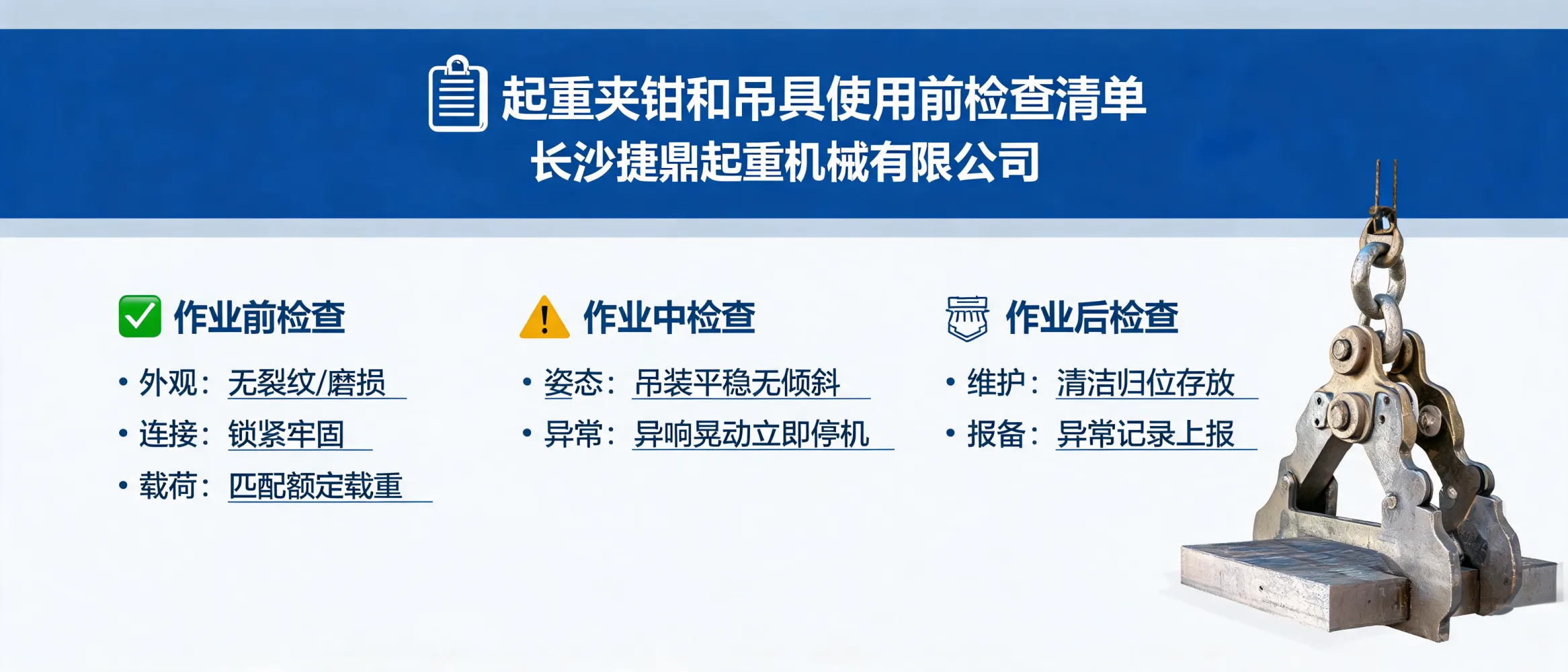
Lifting Clamps
Clamps are selected when the load must be gripped or held by a dedicated contact mechanism. Their suitability depends on the material, load geometry, surface condition and the required lifting method.
Engineering Material Handling
Lifting attachments connect cranes and other lifting equipment with the load. In engineering material handling, the right attachment helps operators handle materials, structural components and containers according to the intended lifting method, load requirements and working environment.
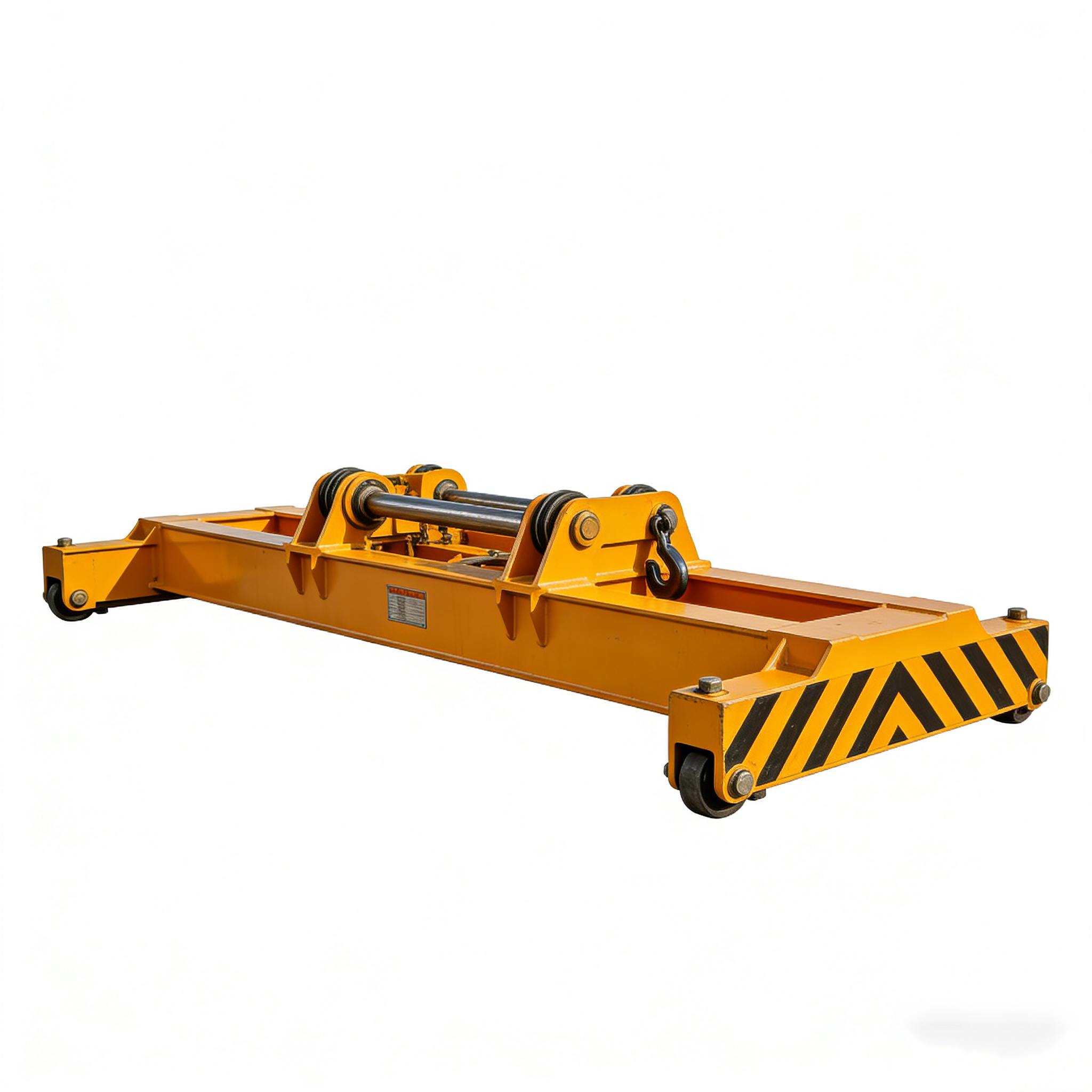
Lifting attachments are purpose-designed devices used with cranes, hoists or related lifting systems to grip, connect, position or support a load. Common examples include lifting clamps for gripping specific materials and spreaders for distributing lifting forces across a defined load arrangement.
Their selection should be based on the load type, lifting configuration, operating frequency, site conditions and applicable safety requirements. For international projects, procurement decisions should also consider documentation, certification, delivery capability and technical support.
Clamps are selected when the load must be gripped or held by a dedicated contact mechanism. Their suitability depends on the material, load geometry, surface condition and the required lifting method.
Spreaders are used to support a defined lifting arrangement and help distribute the lifting connection across the load. Container spreaders are designed specifically for container-handling operations.
A suitable attachment should match the equipment, load requirements, operating conditions, safety features and project logistics rather than being chosen by product name alone.
The container spreader developed and manufactured by Changsha Jieding Lifting Machinery Co., Ltd. is intended for container lifting operations in ports, logistics parks and construction sites. It combines an automatic rotary locking system with position detection to support accurate engagement and help reduce the risk of unintended disengagement caused by operating errors.
| Design or feature | Practical value in material handling |
|---|---|
| Automatic rotary locking and position sensing | Supports accurate engagement and improves operational safety during container lifting. |
| Telescopic structure | Allows quick switching between 20-foot and 40-foot containers. |
| FEA-optimized structure | Balances structural strength with reduced weight for frequent handling operations. |
| ISO 9001-certified production process | Provides a structured quality-management basis for consistent manufacturing. |
As a B2B export company focused on lifting accessories, Changsha Jieding Lifting Machinery Co., Ltd. supports buyers with more than product supply alone. The company coordinates product selection, international certification requirements, logistics delivery and after-sales service for customers in Southeast Asia, the Middle East, Europe, Africa and other markets.
A practical starting point for buyers When sourcing lifting attachments for engineering material handling, provide the intended application, container sizes, lifting equipment, operating environment, destination market and required documentation. This information helps Changsha Jieding Lifting Machinery Co., Ltd. provide a more relevant product and export-support recommendation.