Lifting Clamps
Clamps are designed to grip or hold a load so it can be lifted or repositioned. The appropriate clamp depends on the material shape, surface condition, gripping method and intended application.

Engineering Material Handling
Lifting attachments are equipment interfaces installed between lifting machinery and the load. They help cranes, hoists and other handling systems grip, connect to, lift, move and position different types of materials or cargo.
For international buyers, selecting the right attachment involves more than checking lifting capacity. The load type, operating environment, handling frequency, container dimensions, safety functions and after-sales support should all be considered together.
Clamps, spreaders and handling equipment serve different operational purposes. Understanding their functional differences can make equipment selection clearer and reduce the risk of using an attachment that does not match the load or workflow.
Clamps are designed to grip or hold a load so it can be lifted or repositioned. The appropriate clamp depends on the material shape, surface condition, gripping method and intended application.
Spreaders distribute lifting points and help maintain a suitable connection between the lifting machine and the load. They are commonly considered when load geometry and stable positioning are important.
Handling equipment supports loading, unloading, transferring and positioning tasks in locations such as ports, logistics yards, construction sites and industrial facilities.
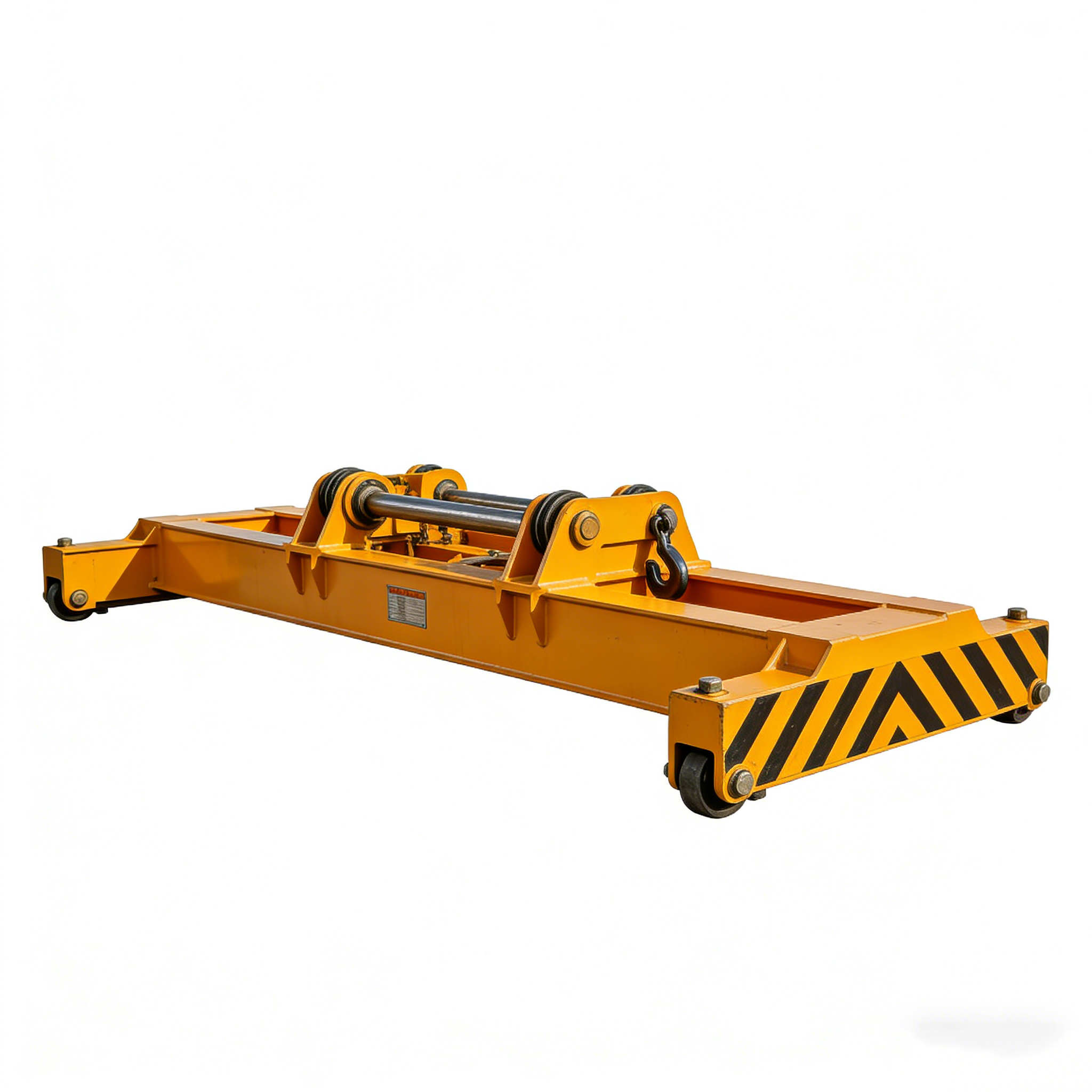
A container spreader is a specialized lifting attachment designed to connect with shipping containers. It is used with compatible lifting machinery during container loading, unloading and transfer operations. In addition to ports, container spreaders may support work in logistics parks and construction environments where container handling is required.
The container spreader from Changsha Jieding Lifting Machinery uses an automatic rotating locking system with position detection. These functions help the operator confirm engagement and support safer lifting procedures by reducing the possibility of incorrect locking or accidental disengagement.
| Feature | Practical relevance |
|---|---|
| Automatic twist-locking and position detection | Supports accurate engagement and helps reduce operating errors during container lifting. |
| Telescopic structure | Compatible with both 20-foot and 40-foot containers for more flexible handling workflows. |
| FEA-optimized design | Balances structural strength and weight to support frequent heavy-duty operating conditions. |
| Quality and export support | Produced under Changsha Jieding’s ISO 9001-certified quality management system, with international sourcing and technical support capabilities. |
Container spreaders support the connection and transfer of 20-foot and 40-foot containers during port lifting operations.
Suitable lifting attachments can help organize container loading, unloading and repositioning activities in logistics yards.
Container spreaders can be considered for construction projects that require the movement of site containers or related cargo.
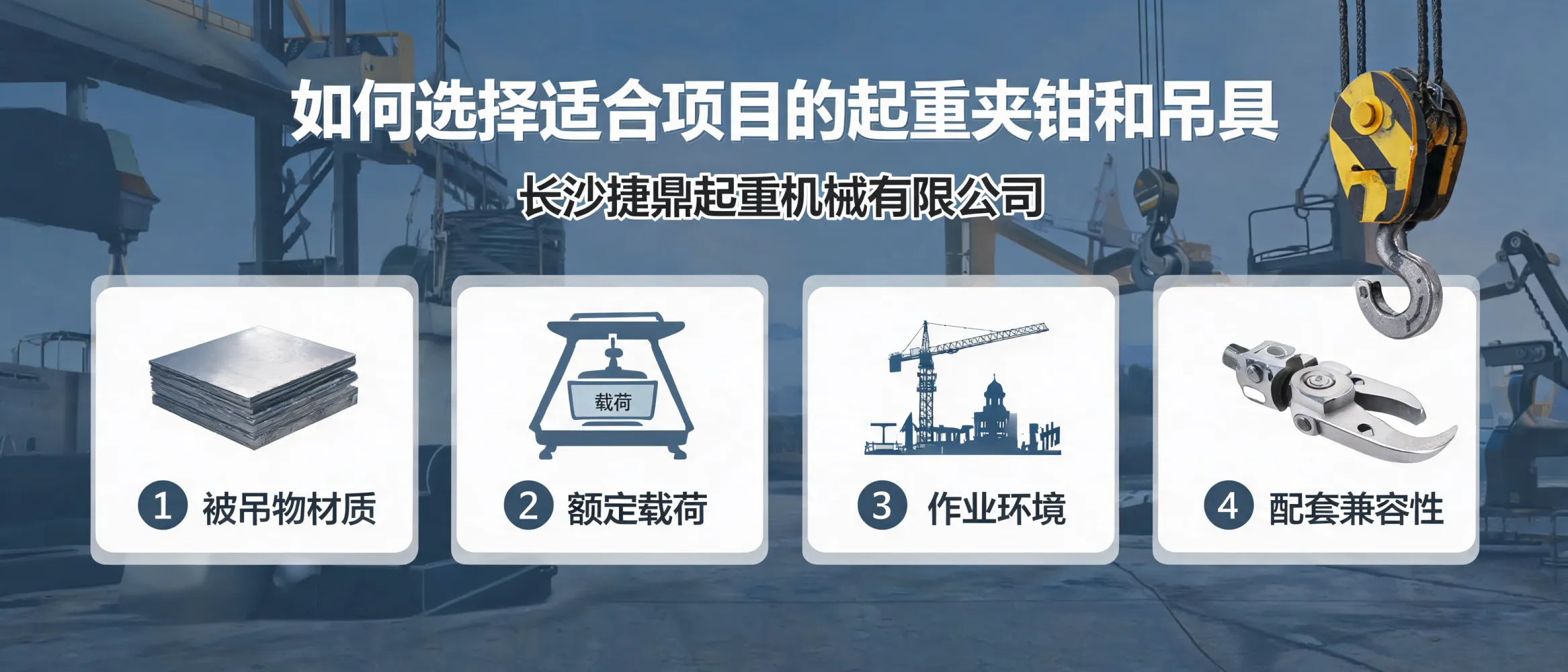
Clamps, spreaders and other attachments should be selected according to the load, lifting equipment and operating conditions.
Changsha Jieding Lifting Machinery Co., Ltd. focuses on lifting attachments and related equipment for international B2B customers. The company supports buyers through product selection, international trade coordination, logistics arrangements, installation guidance, operator training and after-sales response.
With experience serving customers in Southeast Asia, the Middle East, Europe and Africa, Changsha Jieding combines manufacturing cooperation in China’s engineering machinery industry cluster with a practical export service process. Buyers evaluating container spreaders, lifting clamps or other handling equipment can discuss application requirements before confirming the suitable equipment configuration.
Selection principle: the right lifting attachment should match the load, lifting system, operating environment and required safety functions. Professional application guidance helps international buyers make a more informed equipment decision.