Engineering Material Handling Guide
Lifting attachments are equipment components used to connect a crane, hoist, or other lifting machine with the load. The right attachment helps improve load engagement, handling efficiency, operational control, and safety in engineering, industrial, port, and logistics applications.
In engineering material handling, lifting clamps and spreaders address different load-handling requirements. Clamps are generally selected when the load must be gripped or secured at a defined contact point. Spreaders are used to distribute lifting forces across designated points and to maintain a suitable connection between the lifting machine and the load.
The selection should be based on the load itself, the lifting equipment, the operating environment, and the required handling frequency. A technically suitable lifting attachment is not determined by capacity alone; compatibility, locking control, inspection arrangements, and supplier support are also important.
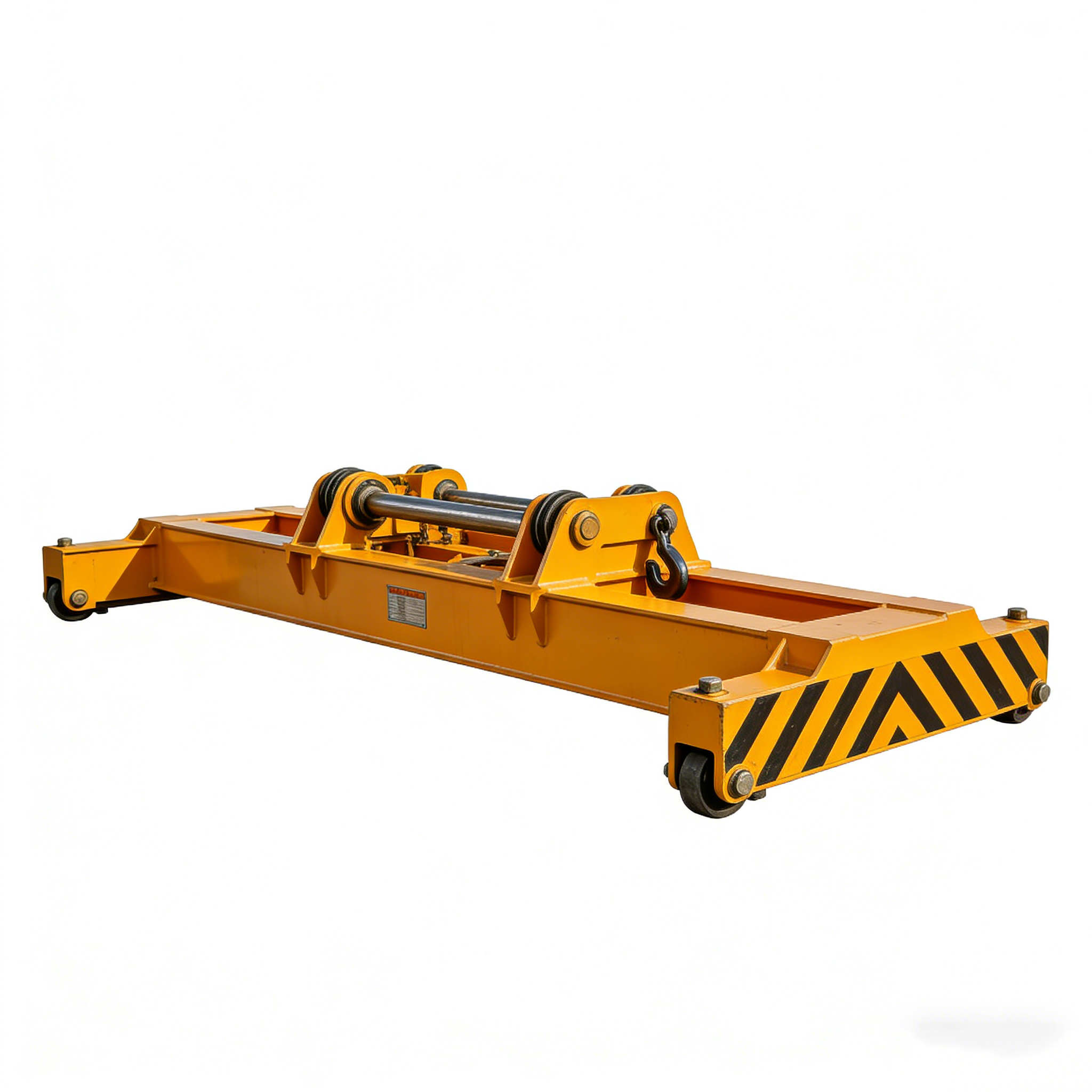
A container spreader is a lifting attachment designed to engage standard shipping containers through their designated corner fittings. It can support container handling in ports, logistics parks, construction sites, and other operations where repeatable lifting and positioning are required.
| Feature | Practical value |
|---|---|
| Automatic rotary locking system | Supports accurate engagement with the container and helps reduce the risk of unintended disengagement caused by operating errors. |
| Position detection | Provides position-related feedback to support controlled lifting operations and operator awareness. |
| Telescopic structure | Allows rapid adjustment for 20-foot and 40-foot containers, helping reduce changeover time. |
| FEA-optimized design | Supports a balance between structural strength and reduced self-weight for demanding, high-frequency handling applications. |
Before placing an order, prepare the container sizes, lifting equipment information, expected working conditions, operating frequency, and any project-specific documentation requirements. These details help the supplier assess attachment compatibility and recommend a suitable configuration.
Overseas buyers should also evaluate packaging, shipping arrangements, export documentation, technical manuals, installation guidance, training, and communication during after-sales service. These factors are part of the total procurement value of lifting attachments.
Changsha Jieding Lifting Machinery Co., Ltd. develops and supplies container spreaders for global port, logistics, and construction handling applications. The product combines automatic rotary locking, position detection, 20-foot and 40-foot telescopic compatibility, and FEA-optimized structural design.
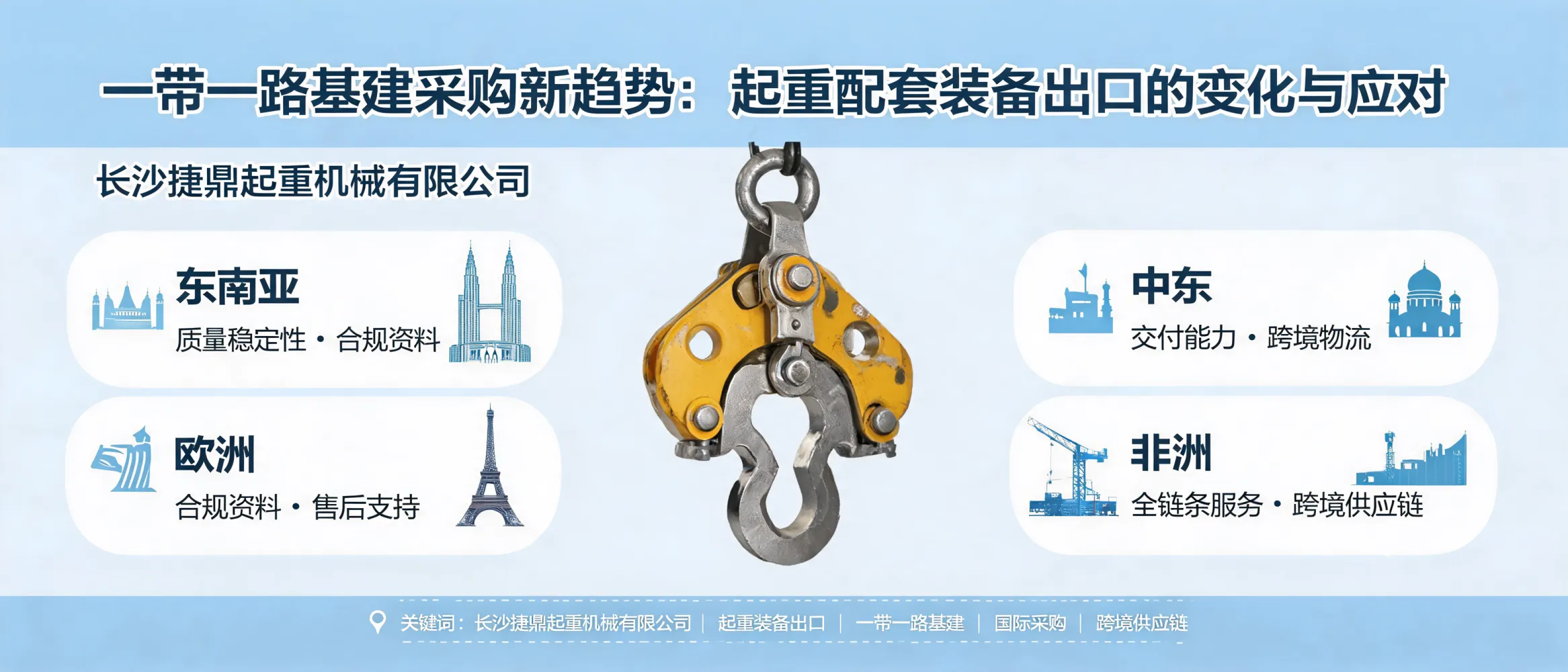
The company operates an ISO 9001-certified quality management system and serves overseas markets including Southeast Asia, the Middle East, Europe, and Africa. Its B2B support covers product selection guidance, international trade coordination, installation or operating training, and after-sales response.
With clear application information and a qualified supplier, lifting clamps and spreaders can be matched more effectively to engineering material handling and logistics operations. Changsha Jieding supports customers with a structured approach from product selection through international delivery and service.