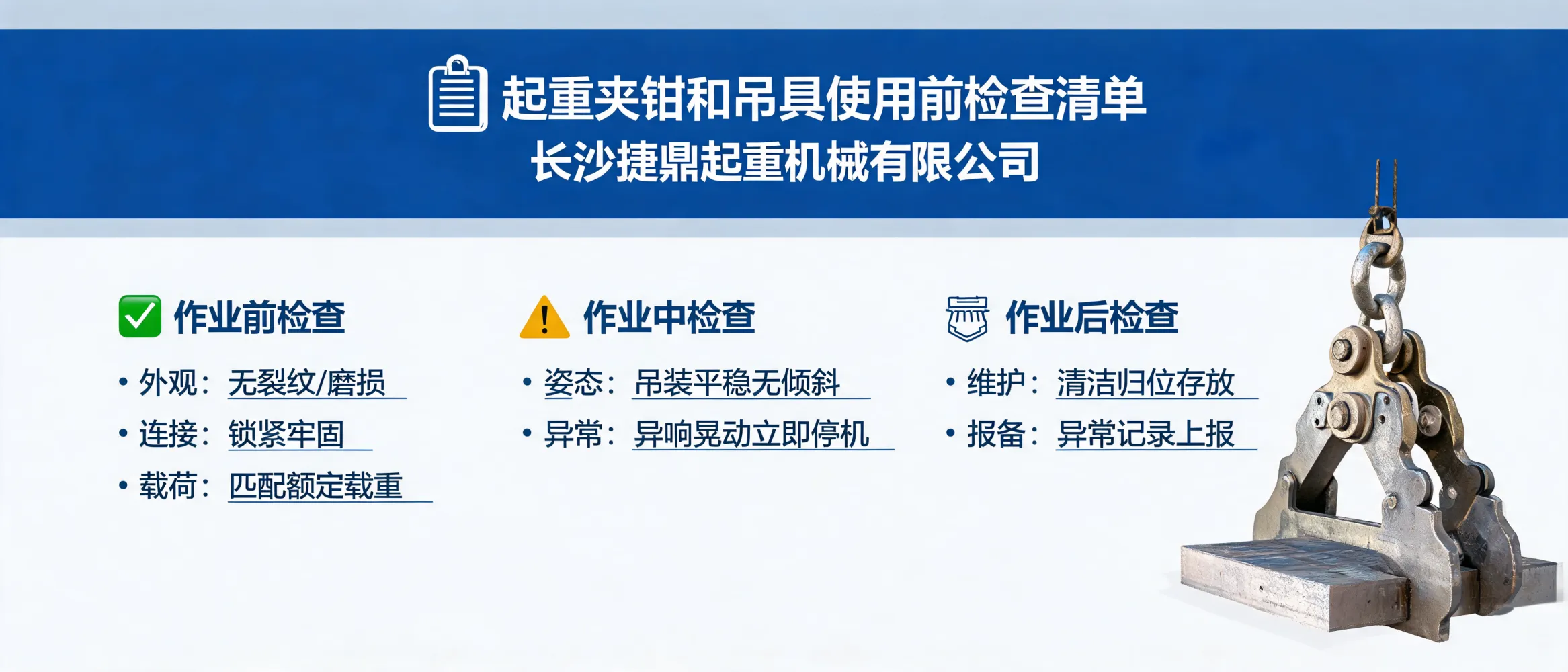
Engineering Material Handling
Lifting attachments connect lifting equipment with the load and help operators handle materials in a controlled, efficient manner. Common examples include lifting clamps, spreaders and other purpose-built devices for engineering handling. The right attachment should be selected according to the load, lifting method, operating environment, safety requirements and available service support.
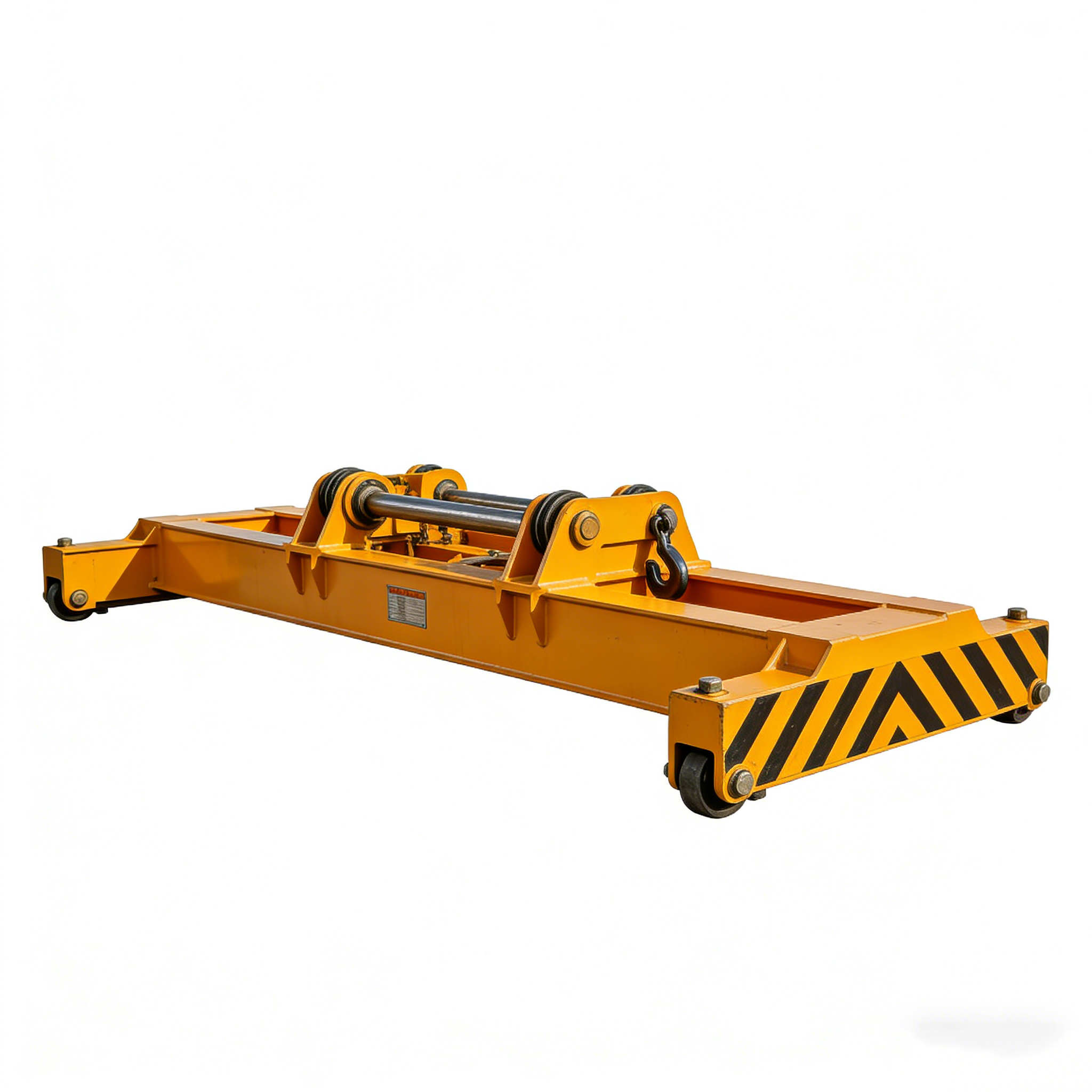
Lifting attachments are load-handling accessories designed to work with cranes or other lifting systems. They provide a suitable connection between the lifting machine and a specific load, helping improve positioning, stability and handling efficiency.
Lifting clamps are commonly selected for particular material shapes or handling requirements, while spreaders are used to engage and distribute lifting forces across larger or standardized loads. Their suitability depends on the load characteristics, the attachment interface and the conditions of the lifting operation.
Changsha Jieding Lifting Machinery Co., Ltd. supplies a container spreader developed for container handling in ports, logistics yards and construction sites. The equipment is intended for customers who need a dedicated lifting attachment for frequent container loading, unloading and transfer operations.
The spreader uses an automatic rotating locking system with position detection to support accurate engagement. Its telescopic structure allows switching between 20-foot and 40-foot containers, helping reduce manual adjustment and improve changeover efficiency during handling work.
The automatic rotating lock and position-sensing function support correct engagement and help reduce the risk of operating errors that could lead to unintended disengagement.
The telescopic design supports rapid adjustment for 20-foot and 40-foot containers, making the attachment suitable for handling operations with different container lengths.
Finite element analysis is used to optimize the structural design, supporting a balance between lower self-weight and high strength for frequent heavy-duty operation.
Production follows an ISO 9001-certified quality management process, providing a structured basis for consistent product quality and international B2B supply.
Selection should begin with the actual operating conditions rather than the attachment name alone. The following factors help buyers and engineering teams define a suitable lifting solution:
| Selection factor | What to confirm |
|---|---|
| Load and container type | Identify the load dimensions, connection points and the container format to be handled. |
| Lifting method | Check compatibility with the crane or lifting system and confirm how the attachment will be connected and controlled. |
| Operating environment | Consider whether the equipment will be used in a port, logistics yard, construction site or another high-frequency handling environment. |
| Safety requirements | Review locking, position detection, operating procedures and applicable safety requirements before use. |
| Technical and after-sales support | Confirm the availability of selection guidance, installation training, operation instruction and after-sales response. |
As a professional foreign trade company focused on lifting attachments and clamps, Changsha Jieding Lifting Machinery Co., Ltd. supports customers through product selection, quality-controlled manufacturing, international export coordination and after-sales communication.
The company serves customers in Southeast Asia, the Middle East, Europe and Africa, providing technical guidance, installation training and ongoing service support. This integrated approach helps B2B buyers evaluate equipment according to their handling process, site conditions and project requirements.
For container handling or other engineering material-handling applications, provide the load type, container size, lifting equipment, operating environment and service expectations. Changsha Jieding Lifting Machinery Co., Ltd. can use this information to support a more practical equipment selection and export solution.