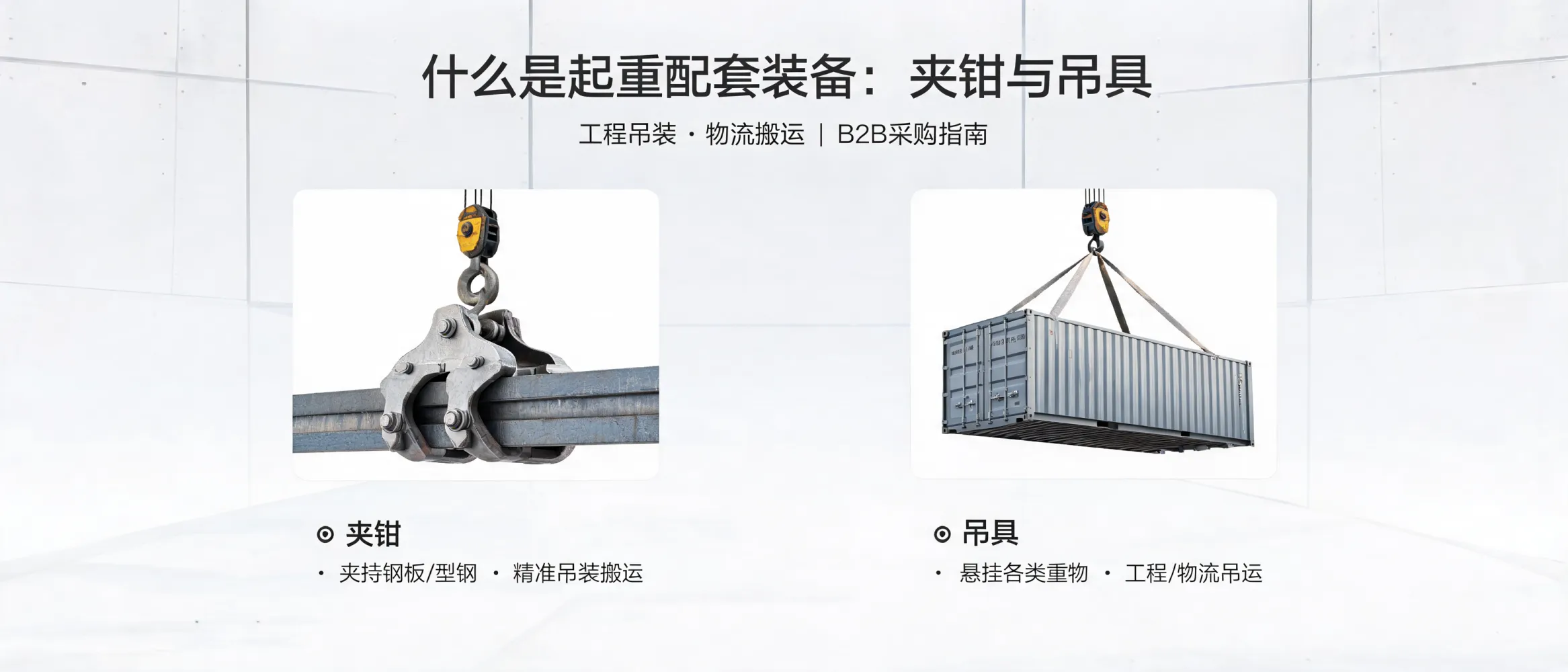
For B2B buyers, a lifting accessories purchase is not only a product decision, but also a risk-control decision. Before placing an order, it is important to verify whether the equipment matches the lifting task, the working environment, the required compliance documents, and the delivery conditions. This practical checklist from Changsha Jieding Lifting Machinery Co., Ltd. is designed to help procurement teams evaluate lifting accessories in a more structured way and reduce avoidable selection and acceptance risks.
Scope of the checklist: rated capacity, safety factor, material and surface treatment, suitability for working conditions, certification documents, packaging, logistics, and final delivery acceptance.
The first step in procurement is to define how the lifting accessory will be used. Different lifting tasks may require different clamp structures, rigging configurations, load ratings, and handling methods. A clear application profile helps buyers avoid selecting products only by appearance or price.
A reliable procurement review starts with technical data. Buyers should confirm whether the specification sheet clearly states the rated capacity, dimensions, working range, and any other parameters relevant to the intended application. If a product is selected for the wrong load range or the wrong gripping condition, operational safety and efficiency may both be affected.
| Checklist item | What to verify |
|---|---|
| Rated capacity | Whether the stated working load matches the real procurement requirement |
| Safety factor | Whether the product design and use guidance provide a clear safety basis |
| Dimensions | Whether the size and interface are suitable for the target object and lifting system |
| Working range | Whether the accessory can operate within the intended site and handling conditions |
Material selection is a core factor in lifting accessories procurement. Buyers should evaluate whether the material type, surface treatment, and structural design are appropriate for the intended operating environment. For example, different conditions may place different demands on wear resistance, corrosion resistance, and stability during repeated use.
Useful questions to ask during review:
For cross-border B2B procurement, documentation is as important as the product itself. Buyers should confirm in advance which certificates, test records, or inspection documents are required by the destination market, end user, or project specification. Clear document preparation helps reduce delays during customs clearance, delivery acceptance, and internal compliance review.
A well-prepared procurement file should support both commercial acceptance and technical acceptance, not just shipment.
Packaging and logistics are often overlooked, but they directly affect delivery condition and project schedule. Before purchase, buyers should define how the lifting accessories will be packed, whether anti-damage protection is needed, how the goods will be shipped, and what acceptance criteria will be used on arrival.
Confirm protective packaging, labeling, and order identification to reduce damage or confusion during transit.
Align shipping mode and delivery timing with the project schedule and destination requirements.
Set a clear arrival inspection process for quantity, appearance, documents, and specification consistency.
To make the purchasing process easier to manage, many B2B buyers prefer to review lifting accessories in a simple sequence. This helps internal teams, suppliers, and end users stay aligned from inquiry to delivery.
As a professional foreign-trade company focused on lifting supporting equipment, Changsha Jieding Lifting Machinery Co., Ltd. supports B2B buyers with product selection, international documentation coordination, logistics arrangement, and after-sales communication. With a business focus on lifting accessories such as clamps and rigging products, the company serves global customers with a practical approach to compliance, quality, and responsiveness.
Whether your procurement task is for a new project, a recurring supply plan, or an overseas delivery requirement, a clear checklist helps you compare options more confidently and move forward with better control over risk and acceptance.