
This guide, prepared by Changsha Jieding Lifting Machinery Co., Ltd., helps overseas engineering contractors, machinery distributors and industrial buyers evaluate lifting gear and clamps based on rated load, load geometry and material, operating environment, lifting method, equipment compatibility and international procurement needs. Use the guidance below to narrow options, validate safety factors and prepare for specification and purchase.
Start from the maximum lifted mass and required safety factor for your jurisdiction. Match the lifting gear's declared working load limit and recommended safety factor to the application rather than relying on nominal product names alone.
Assess load geometry and contact points. Plate, coil, container and bulk items require different clamp faces, spreader designs or slinging arrangements. Ensure the chosen clamp or spreader provides secure engagement for the intended sling pattern and lifting angles.
Consider corrosion, temperature, dust, and expected daily cycles. High-frequency port or intermodal operations often need robust, fatigue-resistant designs and modular maintenance access to reduce downtime.
Verify crane hook, spreader bar, twistlock and control-system compatibility. For powered spreaders or clamps, check electrical/control signals, position sensors, and mechanical attachment points before procurement.
| Item | What to evaluate | Action / acceptance criteria |
|---|---|---|
| Rated load | Maximum and typical lift weights | Select WLL and safety factor that exceed peak requirement with margin for dynamic loads |
| Geometry & grips | Contact surface, presence of corner fittings, slinging points | Choose clamp face, spreader type or bespoke adapter |
| Environmental rating | Corrosion, IP rating, temperature | Specify coatings, seals and materials suitable for site |
A container spreader — such as the model developed by Changsha Jieding Lifting Machinery Co., Ltd. — illustrates how application-driven features improve safety and efficiency:
Use this spreader as a benchmark when evaluating spreaders for terminals, logistics yards and construction sites.
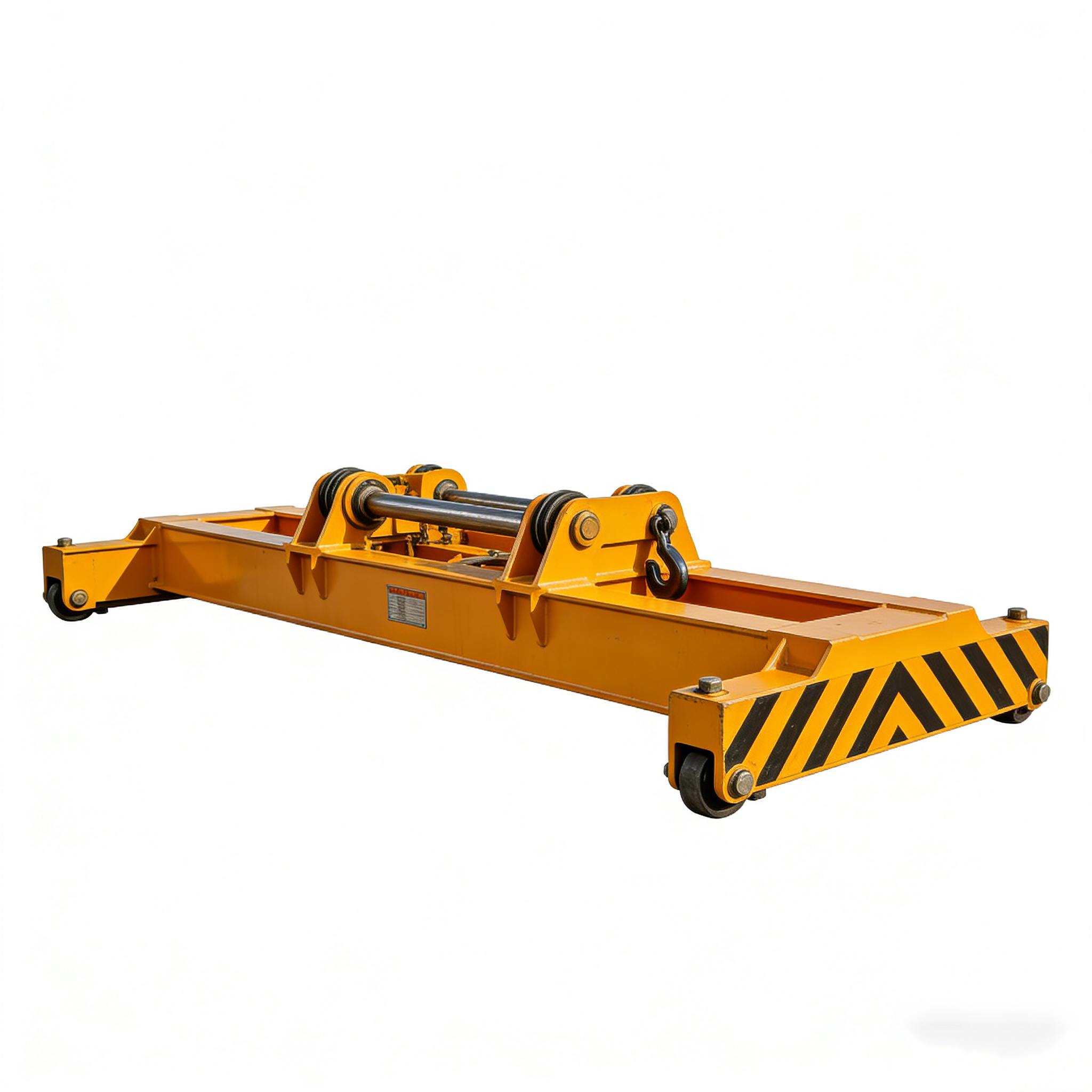
Prioritize cycle-resistant designs, quick coupling and clear feedback (position sensors, lock indicators) for high throughput.
Flexible compatibility with different handling vehicles and easy serviceability reduce yard dwell times.
Robustness, protection against dust and impact, and simple operator controls are essential for mixed-lift workflows.
Changsha Jieding Lifting Machinery Co., Ltd. provides application-driven selection support, product specification matching and on-site training. For detailed guidance, provide your load data, site conditions and crane interface information so we can recommend the most suitable lifting gear or clamp solution.
Reliable selection reduces operational risk and lifecycle cost — start with accurate inputs and verify compatibility before purchase.


