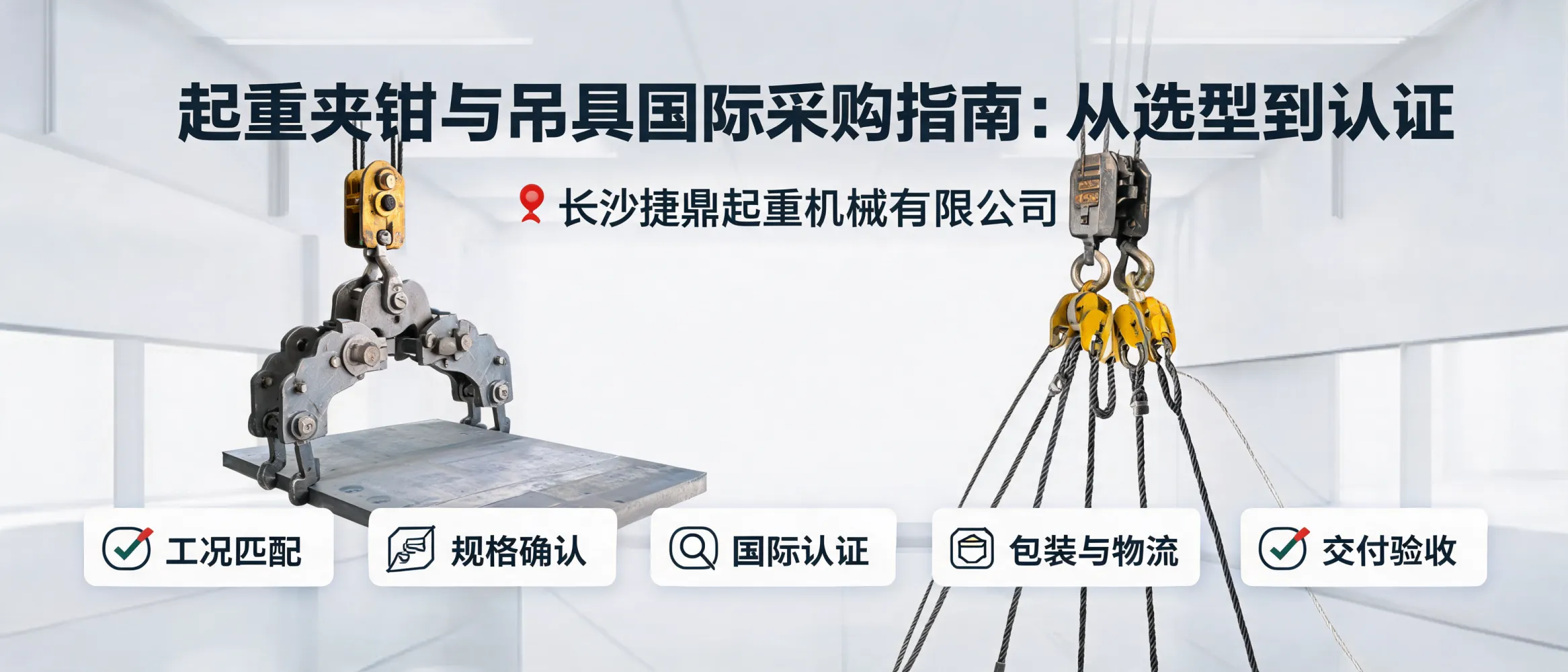
The global demand for lifting clamps and slings is increasingly connected to infrastructure construction, industrial manufacturing, warehousing, material handling, and cross-border engineering projects. As lifting operations become more specialized, buyers are placing greater emphasis on safe handling, application suitability, reliable supply, and professional international procurement support.
Changsha Jieding Lifting Machinery Co., Ltd. follows these developments from the perspective of a professional B2B supplier of lifting accessories. With a focus on lifting clamps, slings, and related lifting equipment, the company supports customers in evaluating product requirements and coordinating international trade services.
Lifting clamps and slings are essential connection and handling components in many industrial operations. Their role is not limited to moving a load from one location to another. The selected equipment must correspond to the load characteristics, lifting method, working environment, operational frequency, and applicable safety requirements.
Construction projects require practical lifting solutions for structural components, machinery, materials, and prefabricated elements across varied working conditions.
Manufacturing and processing facilities depend on suitable lifting accessories for positioning, transferring, and handling materials during production.
Warehousing and logistics operations increasingly require lifting components that support organized material flow and flexible handling processes.
Safety is becoming a central consideration in international lifting equipment procurement. Buyers are paying closer attention to the intended application, rated capacity, load contact conditions, operating method, inspection requirements, and compatibility with existing lifting systems.
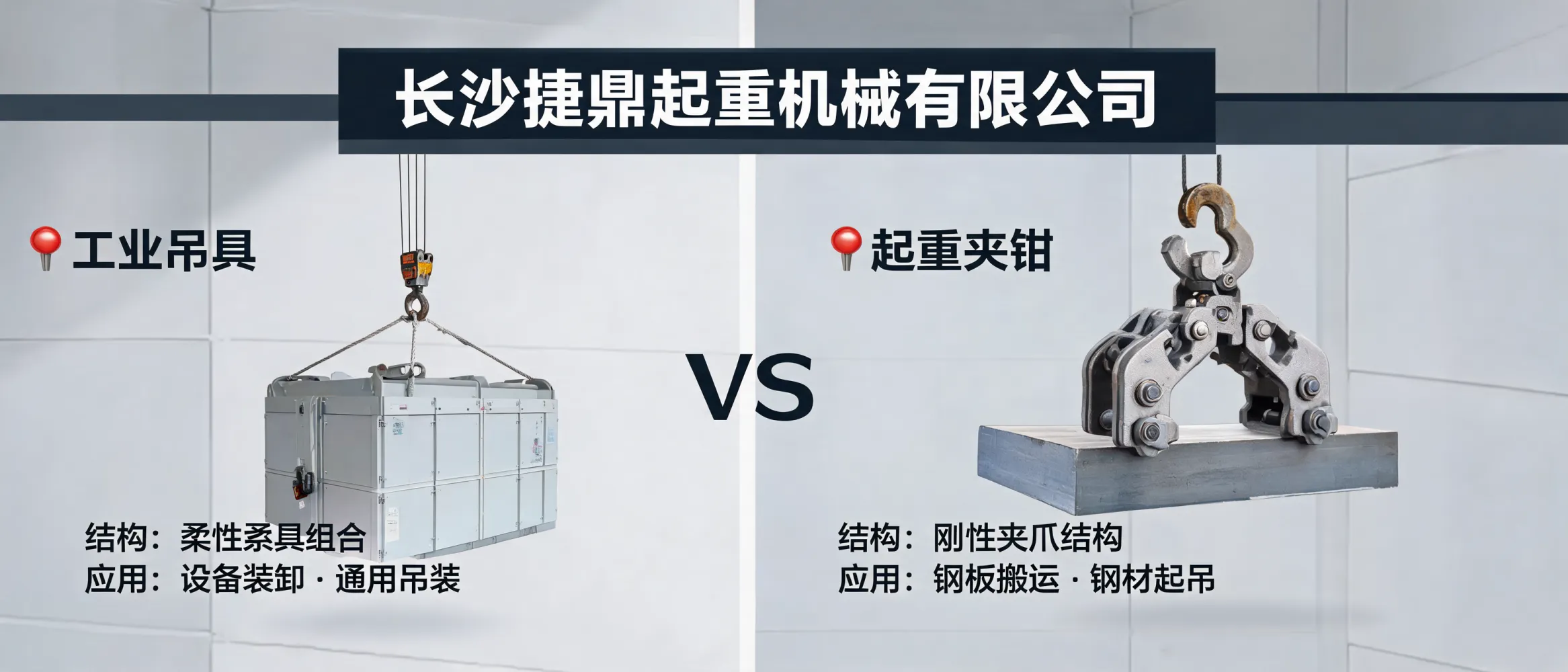
Different materials and lifting tasks require different equipment approaches. Clamps may be selected according to the shape, surface, orientation, and handling method of the load, while slings may be evaluated according to configuration, connection method, flexibility, and working environment.
Professional buyers are increasingly describing their actual working conditions instead of purchasing lifting accessories solely by product name. Load information, lifting direction, frequency of use, site limitations, and local requirements all contribute to a more suitable selection.
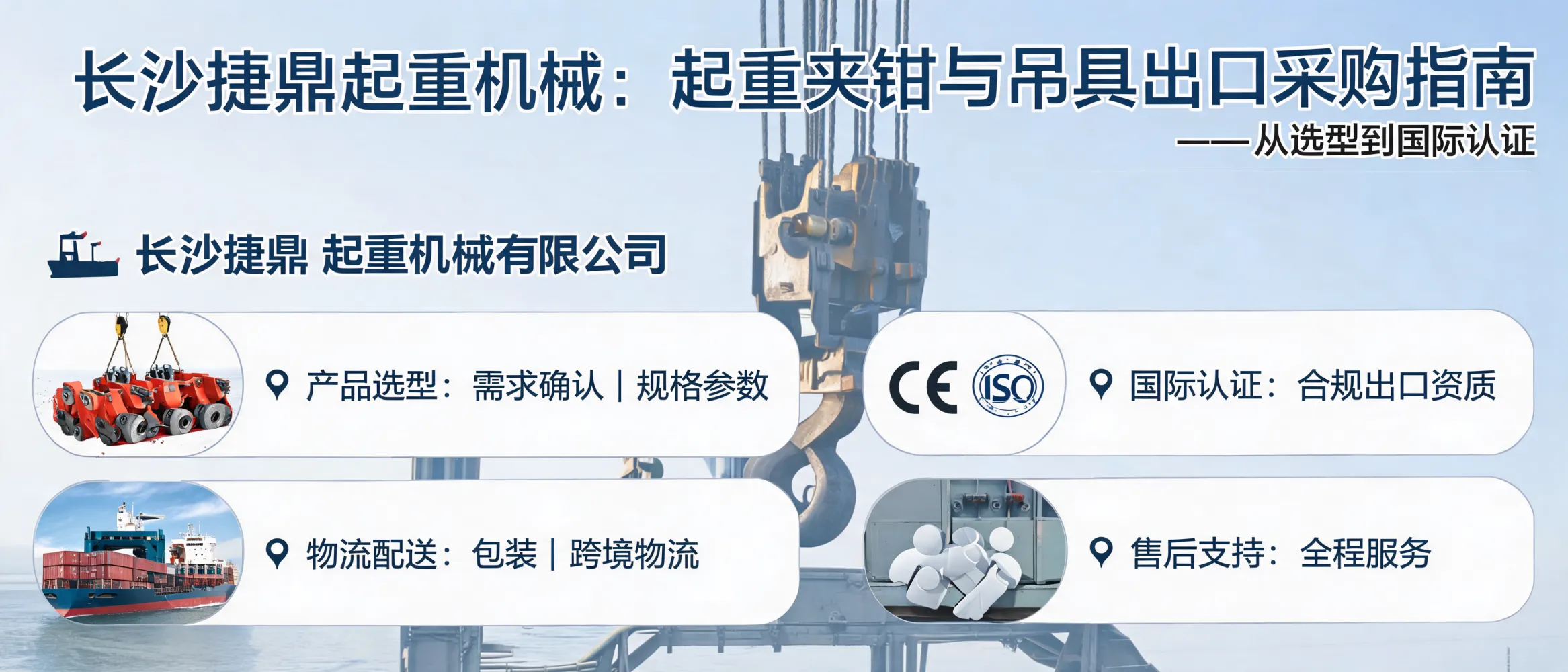
For cross-border projects, product supply is only one part of the purchasing process. Customers also need clear communication, product selection assistance, documentation coordination, logistics planning, and responsive after-sales support.
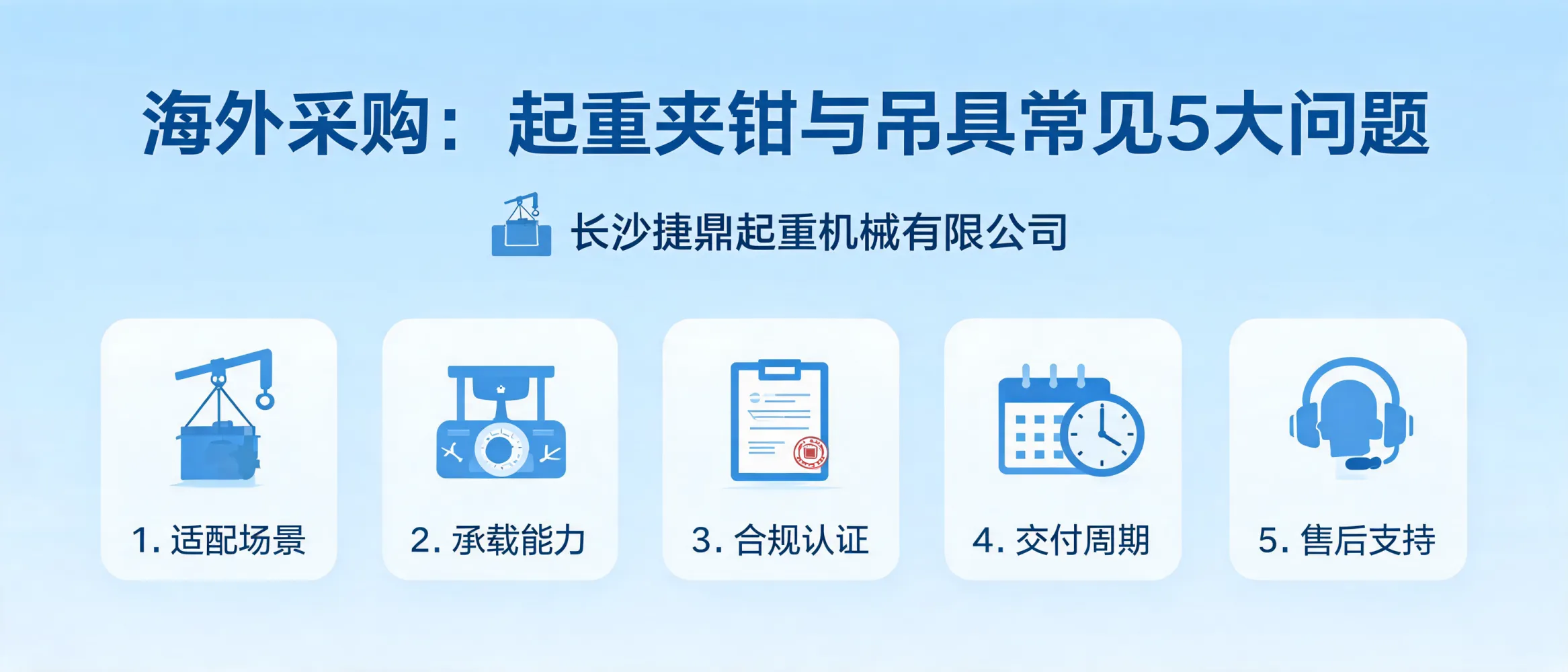
A structured evaluation can help buyers reduce selection errors and communicate requirements more efficiently with suppliers. The following factors are commonly relevant to a lifting equipment inquiry:
| Procurement consideration | Why it matters |
|---|---|
| Application and load type | Helps determine whether a clamp, sling, or combined lifting arrangement is appropriate for the task. |
| Rated capacity and configuration | Supports a clear technical discussion and helps align the equipment with the intended lifting method. |
| Operating environment | Allows the supplier to consider conditions that may affect material handling and equipment use. |
| International delivery requirements | Improves coordination of documents, packaging, transportation, and destination-market expectations. |
In the global lifting clamp and sling market, a reliable supplier should do more than provide a product catalogue. Effective cooperation depends on understanding the customer’s application, communicating technical information clearly, and coordinating the commercial and logistical details of an international order.
Customers in Southeast Asia, the Middle East, Europe, Africa, and other international markets may face different project conditions, purchasing procedures, regulatory expectations, and delivery requirements. This makes precise communication particularly important when sourcing lifting clamps and slings for infrastructure or industrial handling.
Practical principle: The most suitable lifting equipment is determined by the complete handling scenario, not by the product name alone.
Changsha Jieding Lifting Machinery Co., Ltd. combines a China-based supply perspective with an international B2B service approach. The company focuses on lifting clamps, slings, and related lifting accessories while supporting customers through product selection, international certification coordination, logistics delivery, and after-sales communication.
Global demand for lifting clamps and slings is being shaped by safer operations, increasingly specialized applications, infrastructure development, industrial handling needs, and more coordinated international procurement. Buyers can improve project readiness by defining the load, lifting method, operating environment, documentation requirements, and delivery expectations at the beginning of the inquiry.
With its focus on compliance, product quality, customer service, and cross-border trade support, Changsha Jieding Lifting Machinery Co., Ltd. provides a professional starting point for businesses seeking lifting accessories for infrastructure construction and industrial material handling.