Container spreaders
Best suited to standardized container lifting where corner-fitting engagement, positioning accuracy and repeatable handling cycles are central requirements.
Lifting Gear Selection Guide
Container spreaders and lifting clamps are designed for different load interfaces and handling conditions. Understanding how they engage with the load is the first step toward selecting suitable lifting gear for ports, logistics yards, construction sites and other material-handling operations.
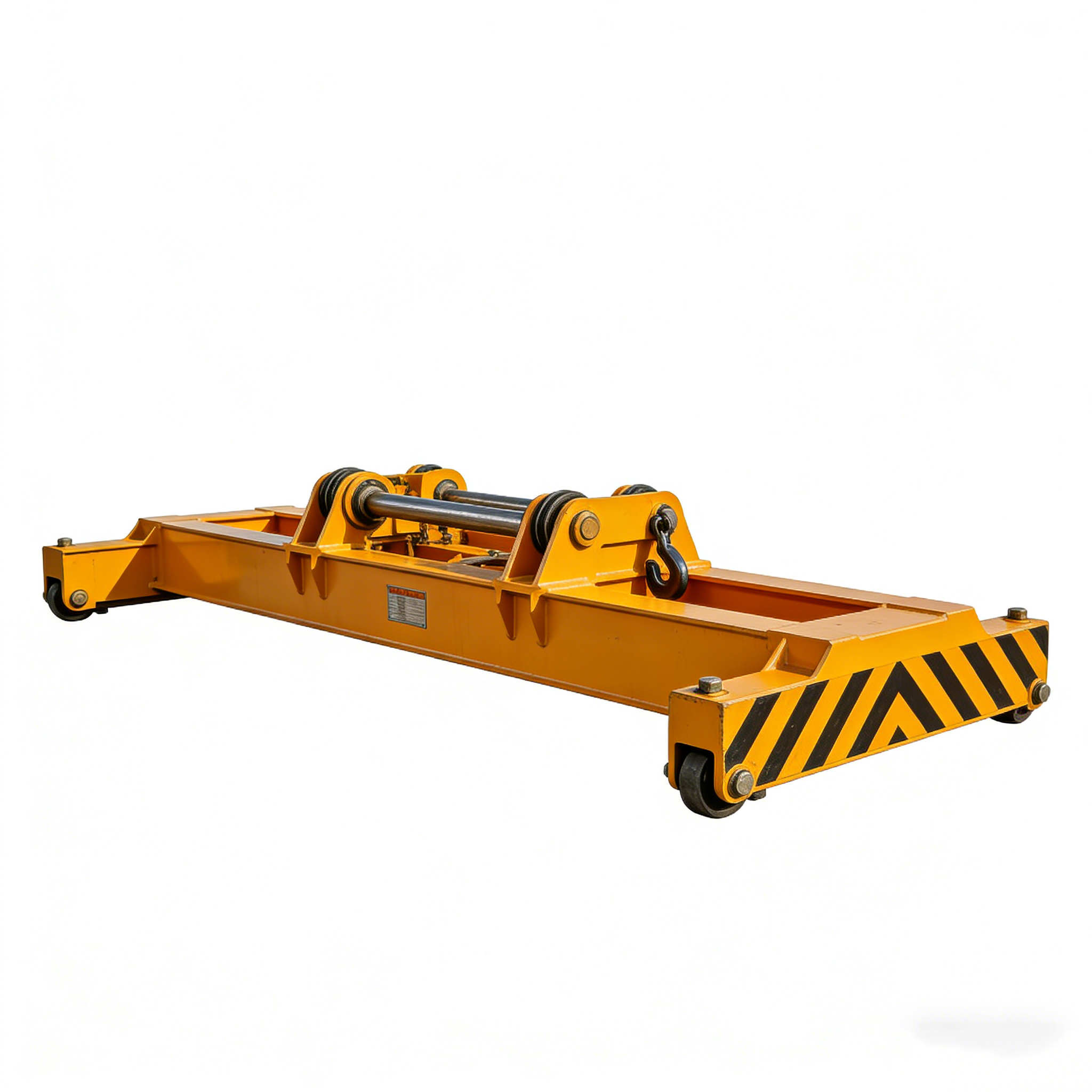
The most important distinction is the connection between the lifting equipment and the load. A container spreader is designed to engage with the standardized corner fittings of an intermodal container. A lifting clamp generally grips an appropriate edge, plate or structural surface directly, subject to the clamp design and the load characteristics.
Best suited to standardized container lifting where corner-fitting engagement, positioning accuracy and repeatable handling cycles are central requirements.
Generally suited to plate-shaped, edge-based or other compatible loads that require direct gripping rather than container corner-fitting engagement.
| Selection factor | Container spreader | Lifting clamp |
|---|---|---|
| Load interface | Designed for container corner fittings | Direct grip on a compatible edge, plate or surface |
| Typical load geometry | Standardized intermodal containers | Irregular or plate-shaped loads, depending on clamp type |
| Operating priority | Repeatable positioning and efficient container handling | Secure gripping that matches the load and lifting direction |
| Key safety focus | Correct engagement, locking status and position confirmation | Jaw compatibility, gripping condition, load balance and operating procedure |
For port operations, logistics parks and construction sites handling standard containers, a spreader can provide a more consistent connection method than equipment intended for direct gripping. The container spreader developed by Changsha Jieding Lifting Machinery Co., Ltd. combines an automatic rotation-locking system with position-sensing functionality to support accurate engagement and help reduce the risk of incorrect locking during operation.
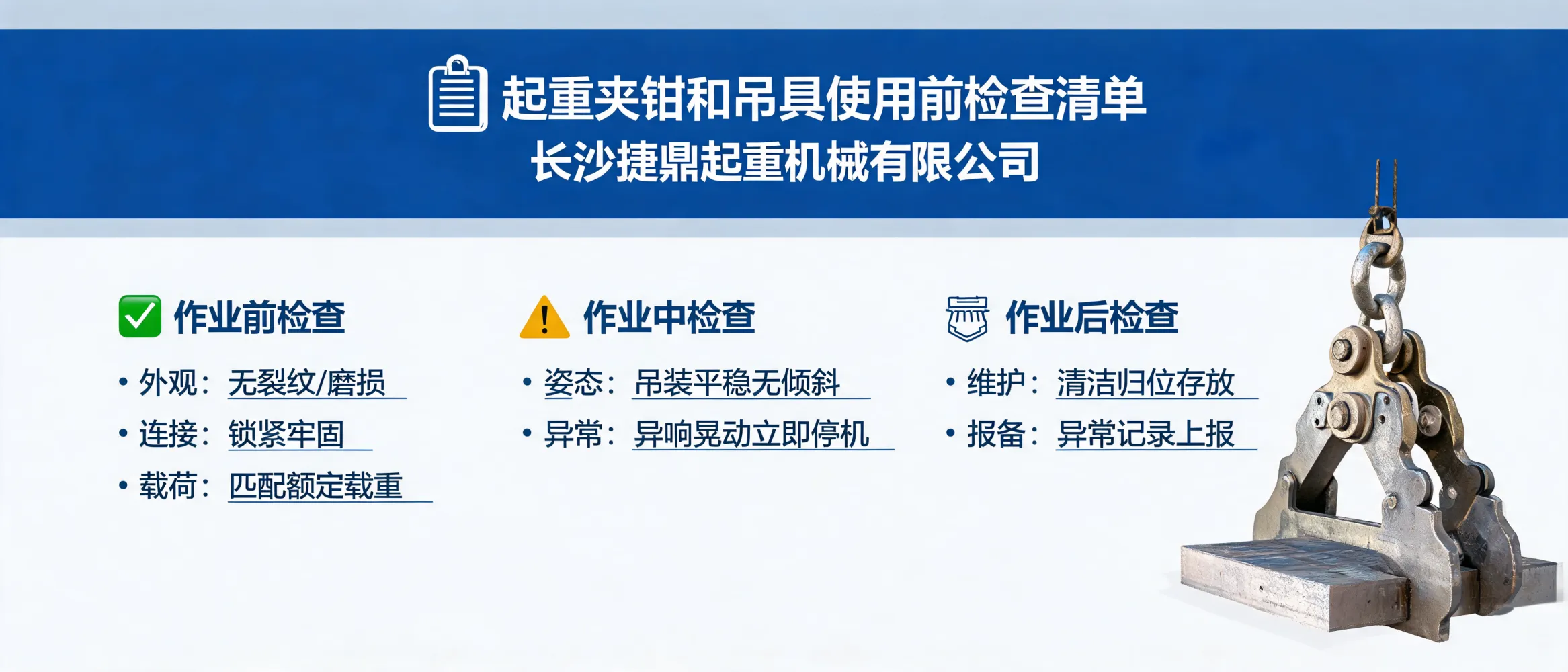
A lifting clamp may be more appropriate when the load is not a standard container and must be engaged through a compatible edge, plate or structural surface. The correct choice depends on the load material, thickness, surface condition, lifting direction, gripping method and required working load limit.
Important: a clamp should not be selected solely by appearance or nominal load weight. The clamp type and its working conditions must be checked against the supplier’s technical documentation and the actual load geometry.
Confirm whether the load uses standardized container corner fittings or requires direct gripping.
Review container length, plate thickness, edge condition, center of gravity and lifting orientation.
Frequent handling may require a design that supports efficient positioning, locking and changeover.
Check locking mechanisms, position confirmation, operating controls and required inspection procedures.
Request applicable specifications, operating guidance, certification information and installation or training support.
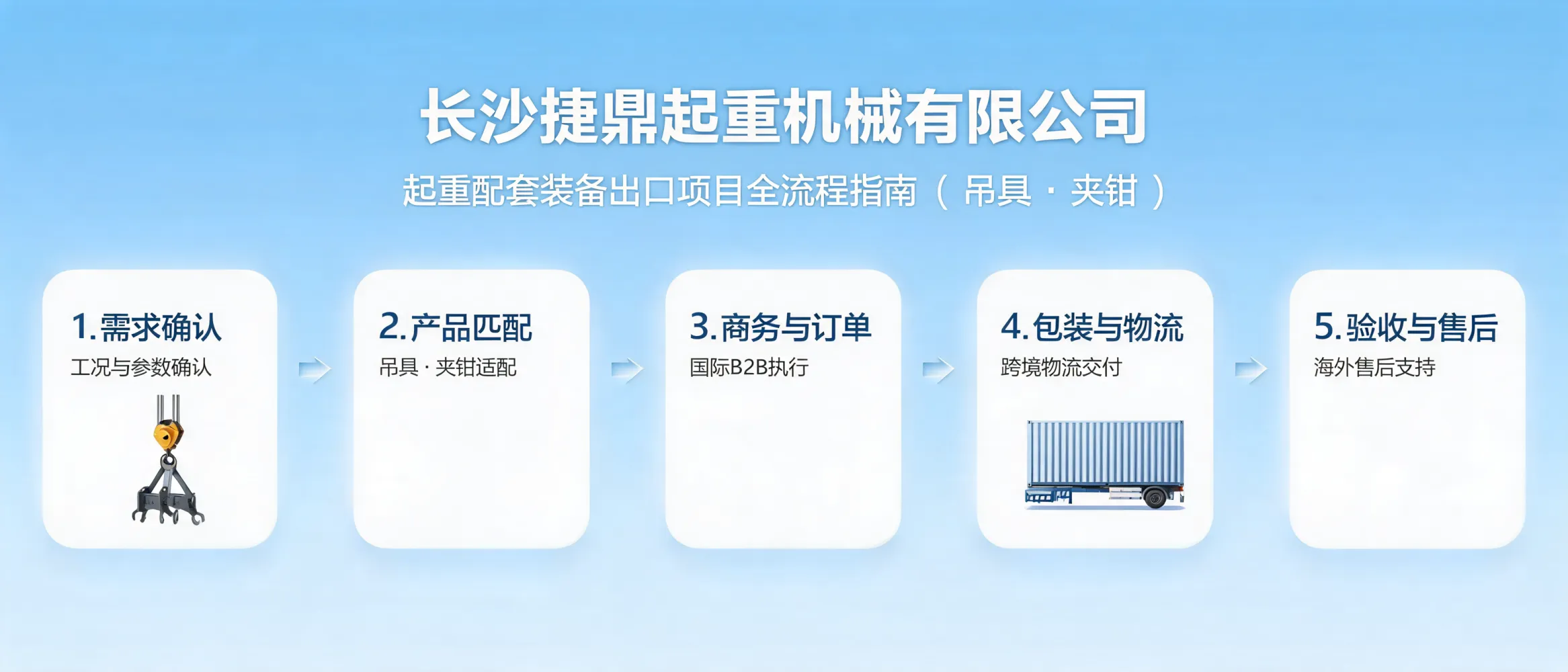
Changsha Jieding Lifting Machinery Co., Ltd. supplies lifting accessories for international B2B customers, including container spreaders and lifting clamps. For the container spreader, our support covers product selection guidance, technical communication, installation training and after-sales response.
The company operates an ISO9001-certified quality management system and serves customers in Southeast Asia, the Middle East, Europe and Africa. Overseas buyers, contractors and equipment distributors can use the load information and operating requirements to begin a focused specification review before consultation and procurement.
The right lifting gear is determined by the load interface, geometry, operating frequency and safety requirements—not by product category alone. A clear specification review helps buyers select equipment that is better aligned with the intended application.