


For steel, plates and pipes
Review whether a lifting clamp is compatible with the load’s material, thickness, shape and surface condition. The gripping method should match the way the load will be lifted and positioned.

Equipment Selection Guidance
Selecting the right lifting equipment is essential for safe, efficient material handling. Overseas buyers should evaluate the working load, lifting method, material compatibility, safety features, certification requirements and available technical support before placing an order.
Changsha Jieding Lifting Machinery Co., Ltd. supports B2B buyers with product selection, export coordination and application-focused technical assistance for lifting clamps, spreaders and related lifting equipment.
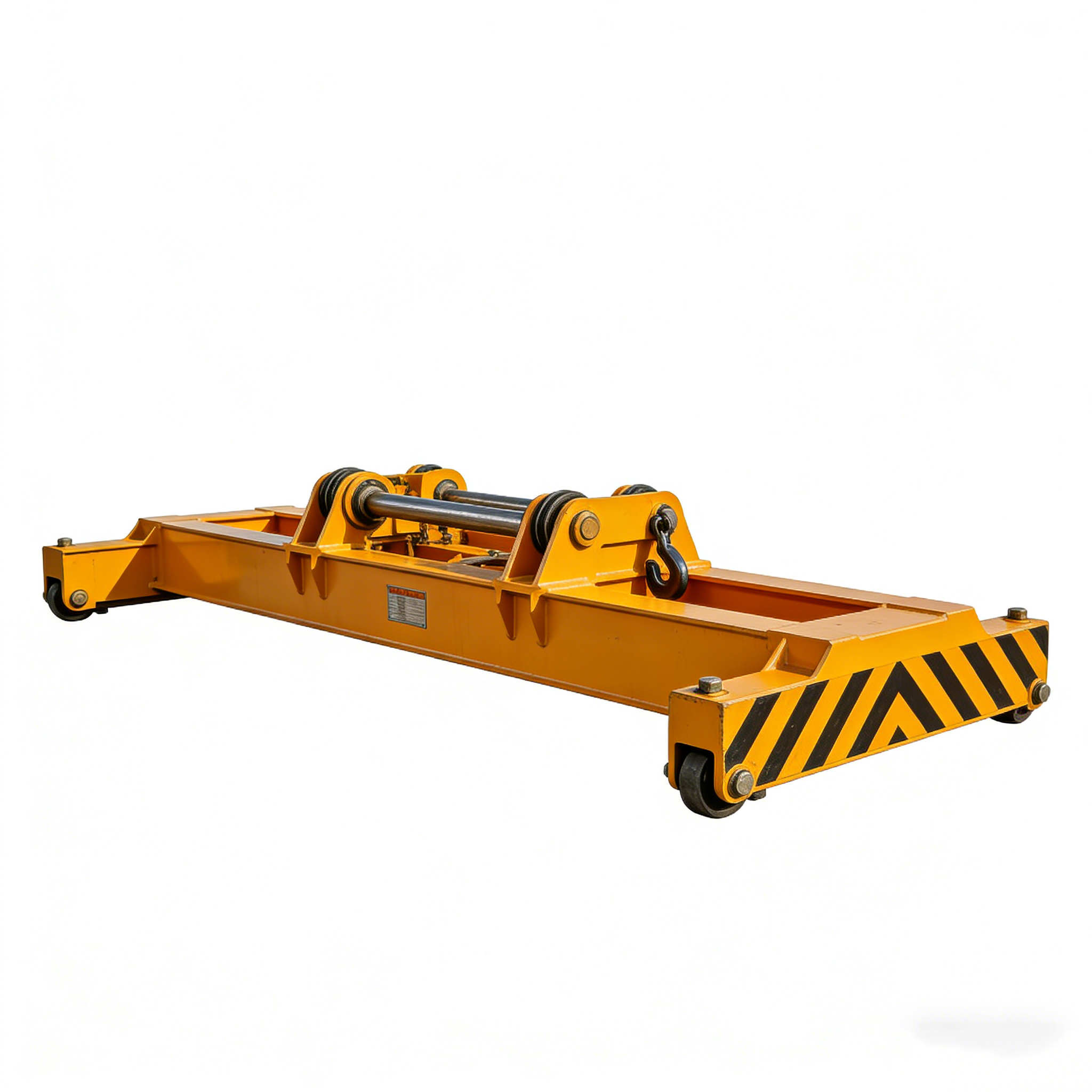
The best lifting attachment depends on the load, the operating environment and the lifting equipment already available at the site. Use the following criteria to create a clear technical comparison.
| Selection factor | Why it matters | Buyer questions |
|---|---|---|
| Rated load | The attachment must be suitable for the intended load and operating conditions. | What is the maximum load, load distribution and lifting frequency? |
| Lifting method | Different lifting methods require different attachment designs and connection arrangements. | Will the equipment be used with a crane, hoist or another lifting system? |
| Material and load shape | Steel, plates, pipes and containers require different contact and engagement approaches. | What are the material, dimensions, surface condition and center of gravity? |
| Safety and control | Locking, position confirmation and correct operation help reduce the risk of handling errors. | Does the attachment provide suitable locking and position-monitoring features? |
| Certification and support | Documentation, quality control and technical service support smoother international procurement. | Can the supplier provide selection guidance, training and responsive after-sales support? |
Review whether a lifting clamp is compatible with the load’s material, thickness, shape and surface condition. The gripping method should match the way the load will be lifted and positioned.
A container spreader should be assessed by its container-size compatibility, locking operation, position confirmation and suitability for the planned handling equipment.
Consider operating frequency, site conditions, handling speed, maintenance access and the availability of operator guidance before finalizing the equipment configuration.
Jieding’s container spreader is designed for container handling in ports, logistics parks and construction sites. Its telescopic structure supports quick switching between 20 ft and 40 ft containers, helping operators adapt the equipment to common container-handling requirements.
The automatic rotary locking system works together with position sensing to support accurate engagement and help prevent unintended unlocking caused by operating errors. This design is intended to improve handling control in frequent-use environments.
Changsha Jieding Lifting Machinery Co., Ltd. provides support throughout the purchasing process, including application consultation, product selection, international certification coordination, logistics delivery, installation guidance, operator training and after-sales response.
With export experience across Southeast Asia, the Middle East, Europe and Africa, Jieding helps B2B customers evaluate lifting clamps and spreaders according to their actual handling requirements, compliance considerations and project conditions.


